
PTFE Disc Membrane

PTFE Disc Membrane

Product ID: ptfe-disc-membrane|PTFE Disc Membrane

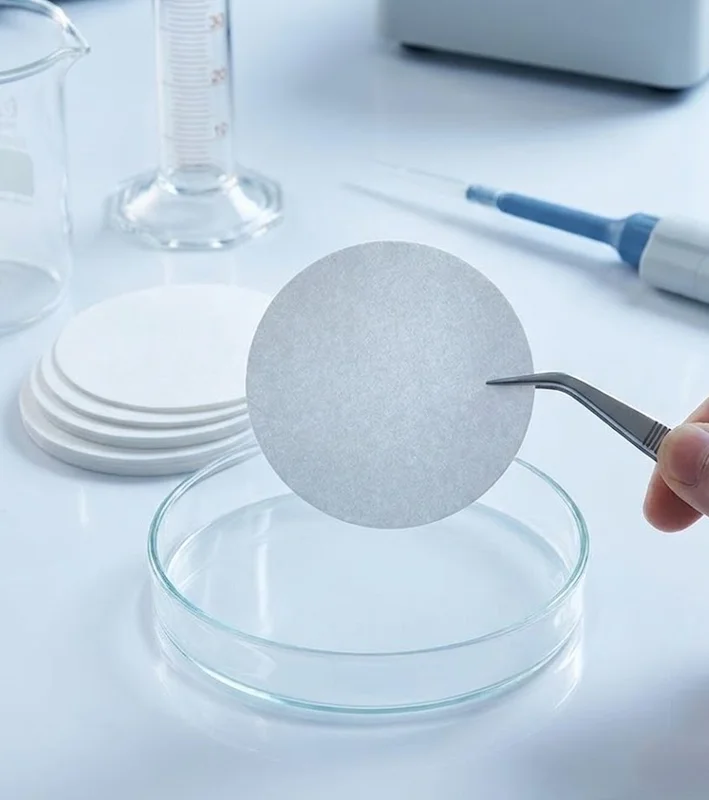
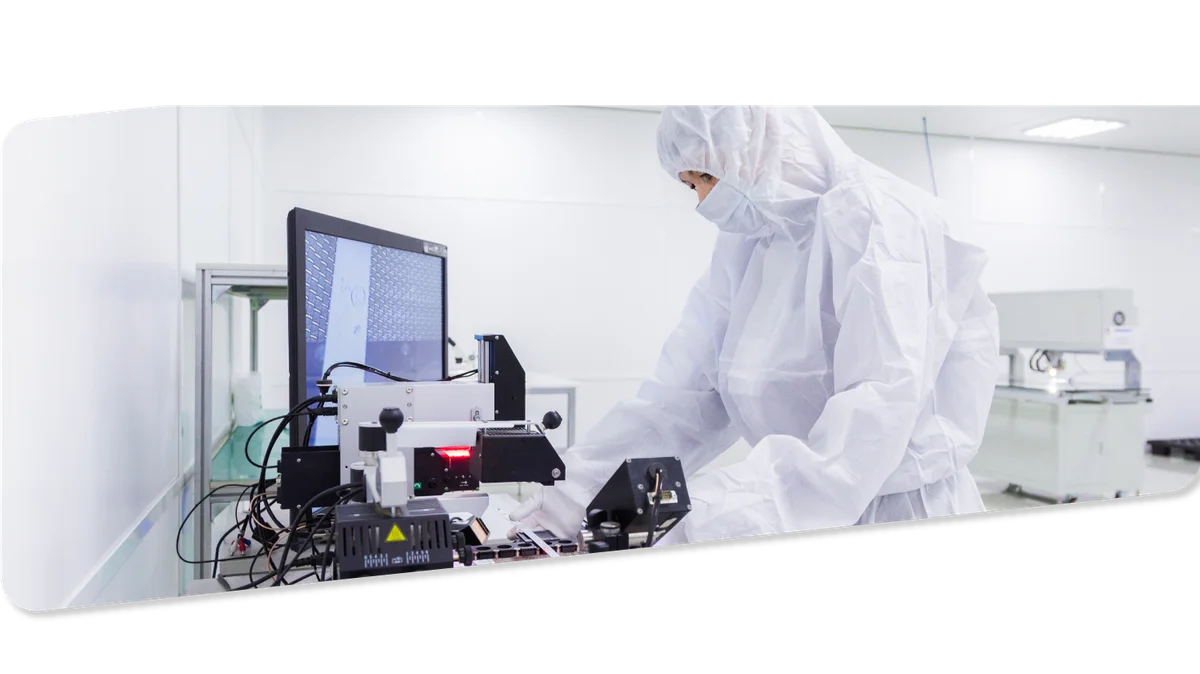
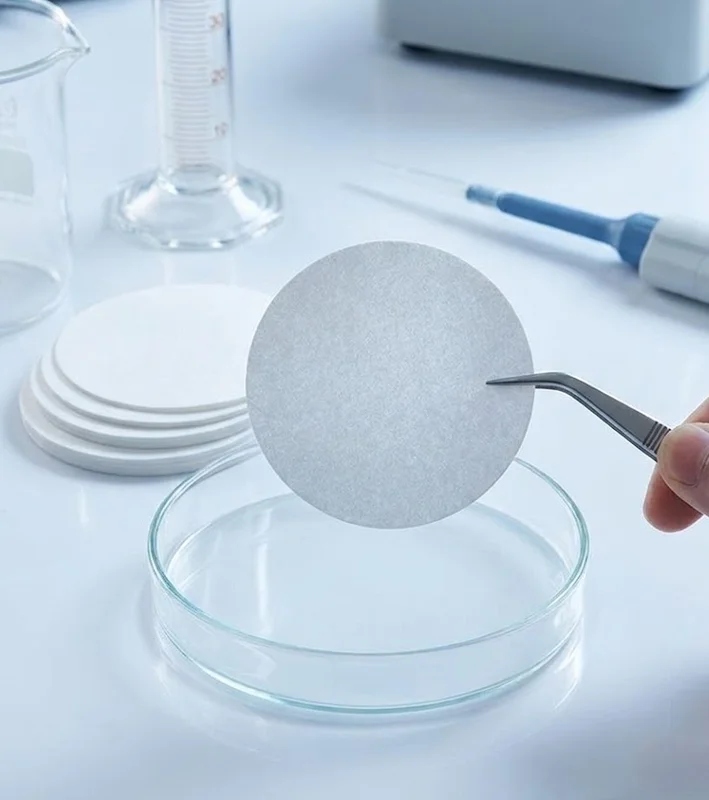
The PTFE microporous filter membrane manufactured using biaxial stretching technology has a unique two-dimensional network structure. It has extremely wide chemical compatibility and can resist various strong acids, strong bases and corrosive solvents. Available in PP and PET support layer specifications, with a maximum temperature resistance of 250°C. It is an ideal choice for semiconductor manufacturing processes, fermentation tank ventilation and aerosol sampling, ensuring the absolute interception of particles and microorganisms.

  • Made with biaxial stretching for a unique 2D network structure
  • Broad chemical compatibility against strong acids, alkalis and aggressive solvents
  • Available with PP or PET support layers
  • Maximum temperature resistance up to 250°C
  • Hydrophobic material ensuring absolute particle and microorganism retention
Micron rating
0.1 – 5 µm
Max operating temperature
250 °C
Nominal outer diameter
Ø13 / Ø25 / Ø47 / Ø50 / Ø90 mm
Removal efficiency
Absolute retention of particles and micr
Semiconductor process filtration
Fermenter air venting
Aerosol sampling
Aggressive solvent filtration
Filter media / membrane
Biaxially stretched PTFE microporous membrane with a distinctive two-dimensional network structure. Hydrophobic, with very broad chemical compatibility against strong acids, strong alkalis and aggressive solvents.
Support & drainage layers
Available with a PP or PET support layer, selected according to flow rate, structural strength and chemical compatibility.
Micron rating
0.1 – 5 µm
Removal efficiency
Absolute retention of particles and microorganisms.
Nominal outer diameter
Ø13 / Ø25 / Ø47 / Ø50 / Ø90 mm
Max operating temperature
250 °C
Sanitisation & cleaning
The 250 °C ceiling is well above the 121 °C of steam autoclaving, so the membrane tolerates repeated sterilisation.
Wetting & flushing
Hydrophobic. For gas filtration use it dry, no wetting needed. To filter aqueous samples, pre-wet with isopropanol (IPA) or ethanol first, then displace with pure water.
Integrity test
Water will not wet a hydrophobic membrane, so bubble point testing must be run after wetting with a low surface tension liquid such as isopropanol.

Note: actual compatibility and service life depend on chemical concentration, temperature, flow, differential pressure, upstream contamination load and housing design. Validate under your real process conditions.

Values shown are typical for this product class; actual supply specification follows the quotation and sample datasheet.

Example part number
JY
-LB21
-47
-P20
-P
-100
JY
JIUNYUAN Technology
LB21
Biaxially stretched PTFE microporous membrane: hydrophobic, rated to 250 °C, resistant to strong acids, alkalis and aggressive solvents
47
Ø47 mm
P20
0.2 µm
P
PP support layer
100
100 discs per box
Selectable options by segment
01

Disc diameter

CodeSpecification
13Ø13 mm
25Ø25 mm
47Ø47 mm
50Ø50 mm
90Ø90 mm

A membrane disc has no cartridge-style diameter / rating / length triplet, so the code runs diameter × pore size × support × box quantity. Geometric disc areas per diameter are in the dimensions table on the specification page; the holder sealing ring makes the effective area smaller.

02

Retention rating

CodeSpecification
P100.1 µm
P200.2 µm
P450.45 µm
P800.8 µm
M0011 µm
M0033 µm
M0055 µm
03

Support layer

CodeSpecification
PPP support (favours flow rate)
EPET support (favours strength)
04

Discs per box

CodeSpecification
05050 discs per box
100100 discs per box

Box quantity is a packaging unit only and does not change the membrane specification; other quantities can be specified at order.

Not every combination is a stock item; uncommon combinations are made to order. Confirm with JIUNYUAN sales before ordering.

Membrane disc
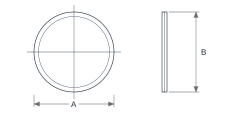
Membrane discDrawing shows one representative size; the table below gives the exact diameter and length of each code.
Nominal diameterMembrane disc area
13 mm1.3 cm²
25 mm4.9 cm²
47 mm17.3 cm²
50 mm19.6 cm²
90 mm63.6 cm²

Diameters listed are the industry-standard sizes for membrane discs. The area column is the geometric disc area (πd²/4); effective filtration area is smaller and set by the bore of the holder sealing ring.

ChemicalPTFEPP
— 酸 —
Glacial acetic acidRR
Hydrochloric acid, conc.RR
Hydrochloric acid, 6NRR
Nitric acid, conc.RR
Nitric acid, 6NRR
Phosphoric acid, conc.RR
Sulfuric acid, conc.RR
Hydrofluoric acid, 6NRNR
— 鹼 —
Ammonium hydroxide, 1NRR
Ammonium hydroxide, 3NRR
Potassium hydroxide, 3NRR
Sodium hydroxide, 3NRR
Sodium hydroxide, 6NRR
— 醇類 —
Amyl alcoholRR
Benzyl alcoholRR
ButanolRR
Isopropyl alcohol (IPA)RR
MethanolRR
— 酮類 —
AcetoneRR
CyclohexanoneRR
Methyl ethyl ketone (MEK)RR
Methyl isobutyl ketone (MIBK)RR
— 油類 —
Cottonseed oilRR
Lubricating oilRR
Peanut oilRR
Sesame oilRR
— 芳香烴 —
BenzeneRNR
TolueneRNR
XyleneRNR
— 鹵代烴 —
Carbon tetrachlorideRLR
ChloroformRLR
Ethylene dichlorideRLR
Freon TFRLR
Freon TMCRLR
DichloromethaneRLR
PerchloroethyleneRLR
TrichloroethyleneRLR
— 二醇類 —
Ethylene glycolRR
GlycerolRR
Propylene glycolRR
— 醚類 —
Diethyl etherRLR
Isopropyl etherRR
DioxaneRR
Tetrahydrofuran (THF)RLR
— 酯類 —
Amyl acetateRR
Butyl acetateRLR
Cellosolve acetateRR
Ethyl acetateRLR
Methyl acetateRR
Isopropyl acetateRR
— 其他 —
AnilineRLR
Dimethylformamide (DMF)RR
Formaldehyde, 37%RR
GasolineLRLR
Hexane (anhydrous)LRLR
KeroseneRR
PhenolRR
PyridineRLR
WaterRR
AcetonitrileRLR
  • R = resistant
  • LR = limited resistance, validate on site
  • NR = not resistant
  • — = no data

Ratings are general material-level guidance, not guarantees. Actual concentration, temperature, exposure time and mechanical stress all affect the outcome — validate with samples under your real process conditions before adoption.

Where it fits

A membrane disc is used in a holder, serving laboratory and low-flow point-of-use work: sterilising gas and fermenter vent air, collecting particles for aerosol sampling, and filtering samples in aggressive solvents. Unlike a pleated cartridge it has no cage or end caps — the membrane is clamped directly between sealing rings, so the condition of the holder sealing faces decides whether the filtration works at all.

Key characteristics

The membrane is biaxially stretched PTFE. Stretching builds the characteristic two-dimensional network of nodes and fibrils, giving high porosity with a uniform pore distribution. PTFE itself is essentially unreactive, so strong acids, strong alkalis and aggressive solvents are all in range — which is what makes it hard to substitute in sample preparation.

The 250 °C ceiling sits well above the 121 °C of steam autoclaving, so repeated sterilisation does not relax the membrane structure. The support layer can be PP or PET: PET is structurally stronger, PP is broader in chemical compatibility. Choose on the sample chemistry.

Choosing between options

The decisive difference between the two discs is wettability, not rating:

MembraneWettabilityMax tempTypical use
PTFE (this)Hydrophobic; aqueous needs pre-wetting250 °CGas and vent sterilisation, aerosol sampling, aggressive solvents
NylonHydrophilic; no pre-wetting80 °CHPLC sample and mobile phase prep, aqueous and alcohols

Operation & change-out

For gas filtration use the disc dry — no wetting step. For an aqueous sample, wet the membrane first with isopropanol or ethanol and then displace with pure water, otherwise water will not enter the pores at all. Because water will not wet the membrane, a bubble point test also has to be run after wetting with a low surface tension liquid.

i
The diameters and areas in the specification table are the industry-standard values for membrane discs, and the area column is the geometric disc area. Effective filtration area is set by the bore of the holder sealing ring and will be smaller.
How heat-resistant is this PTFE membrane?
It withstands up to 250°C, and combined with its biaxially-stretched 2D network structure it suits high-temperature and aggressive industrial filtration environments.
What support layer options are available?
It is offered with either a PP or PET support layer, selectable according to flow rate, structural strength and chemical compatibility needs.
Why is it good for gas filtration?
Hydrophobic PTFE is not easily wetted by water, making it ideal for gas applications such as fermenter venting and aerosol sampling while ensuring absolute particle and microorganism retention.