
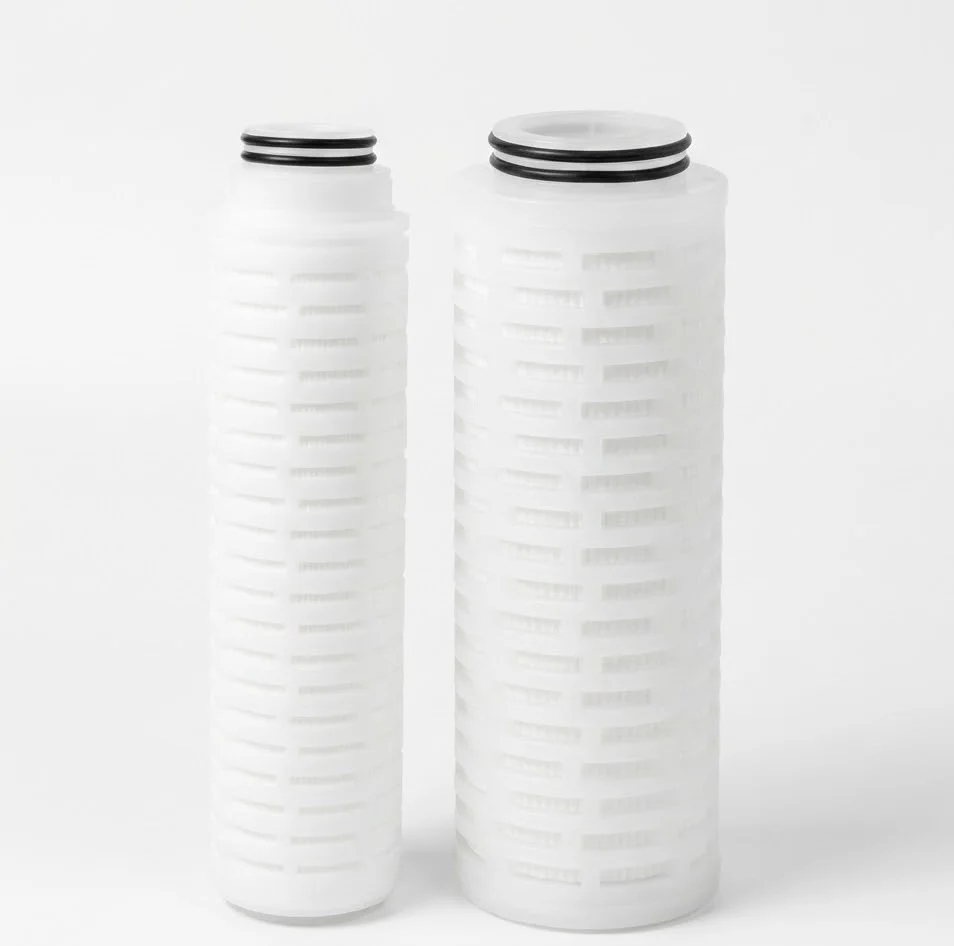
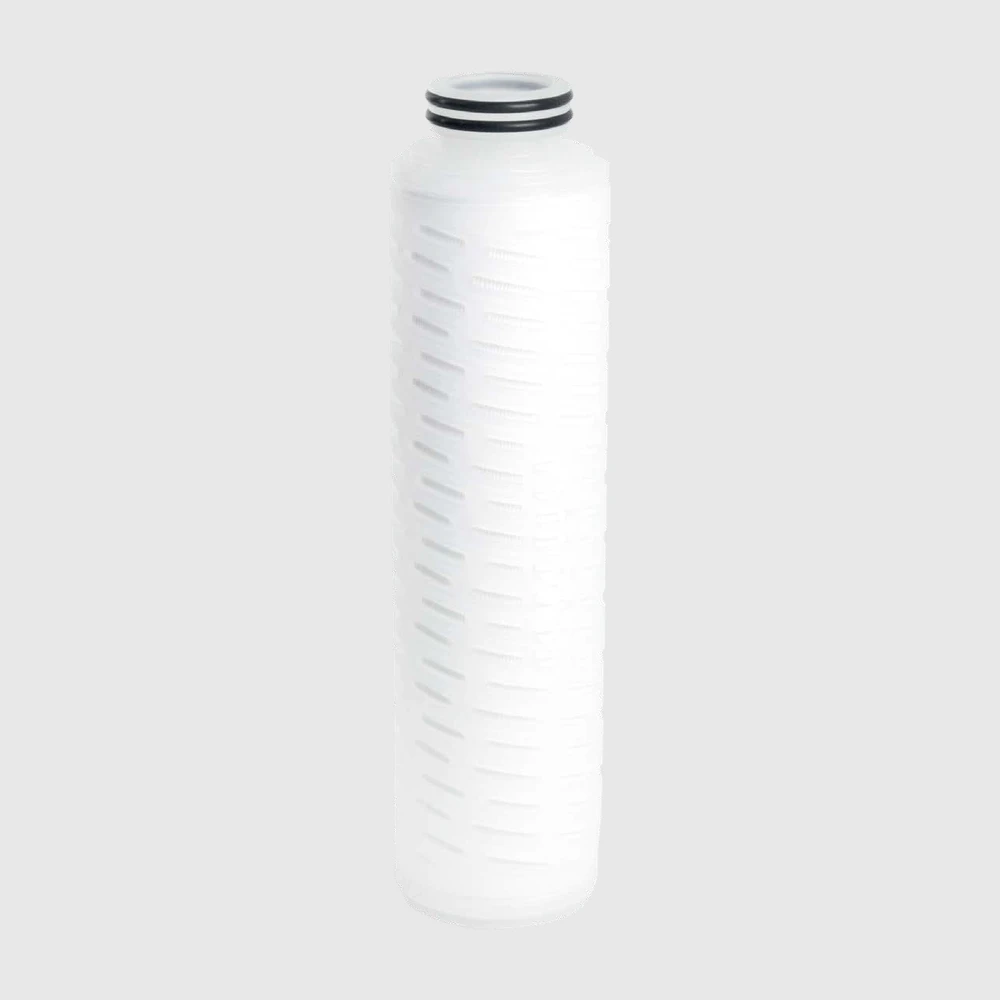
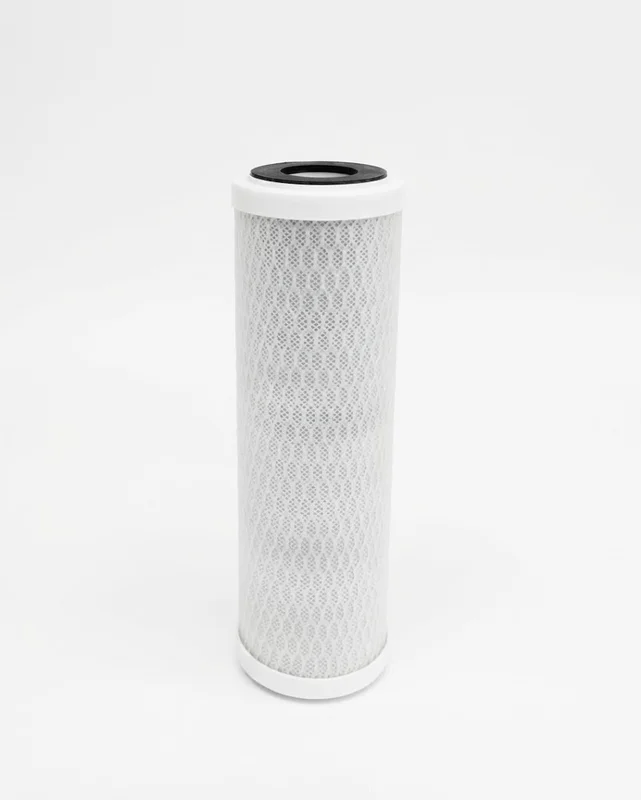
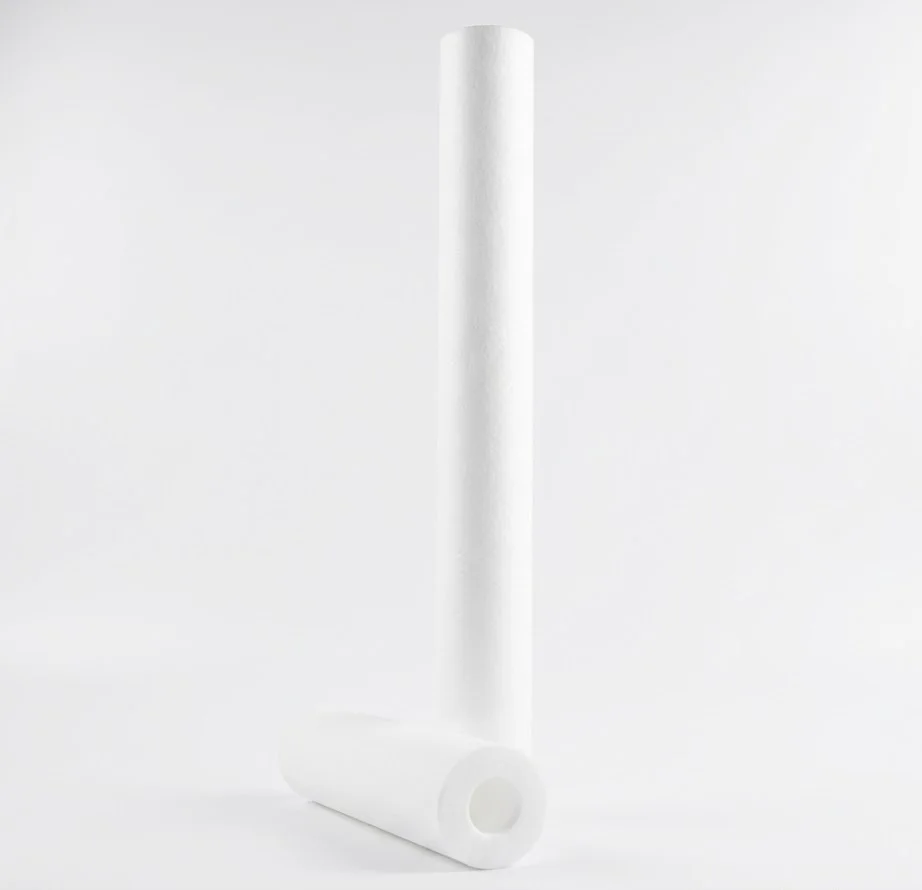
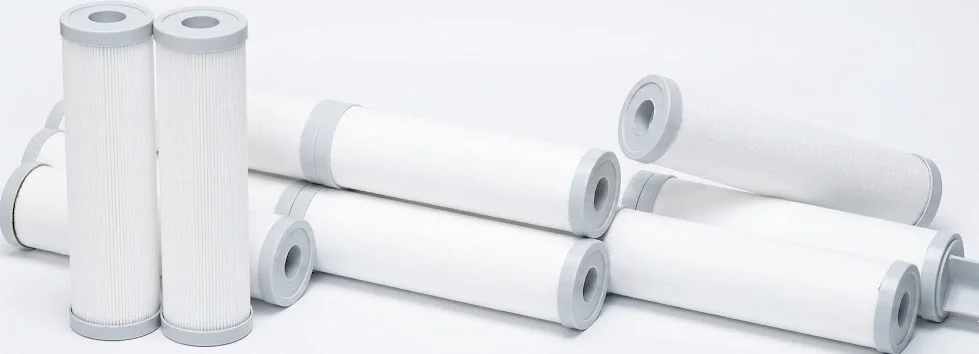
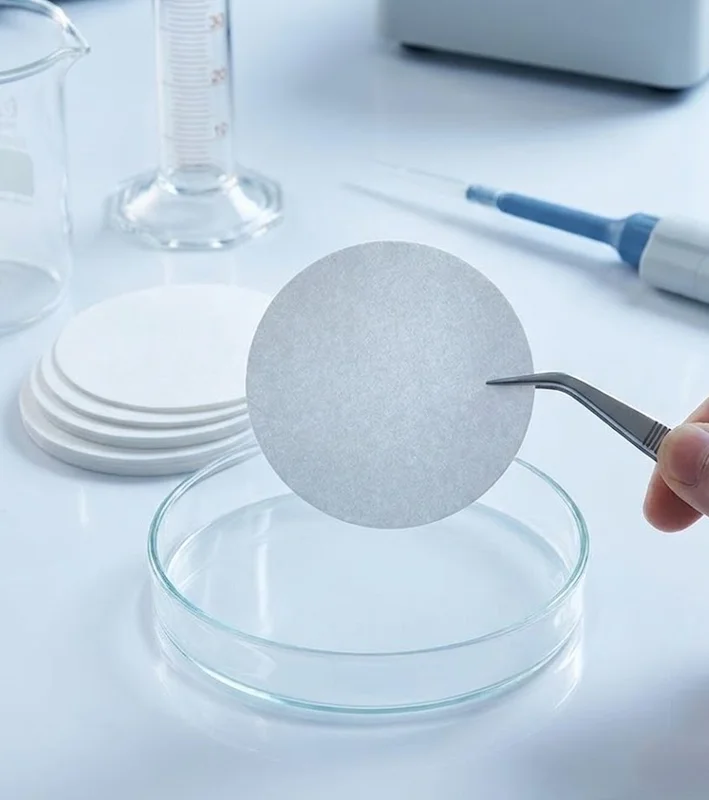
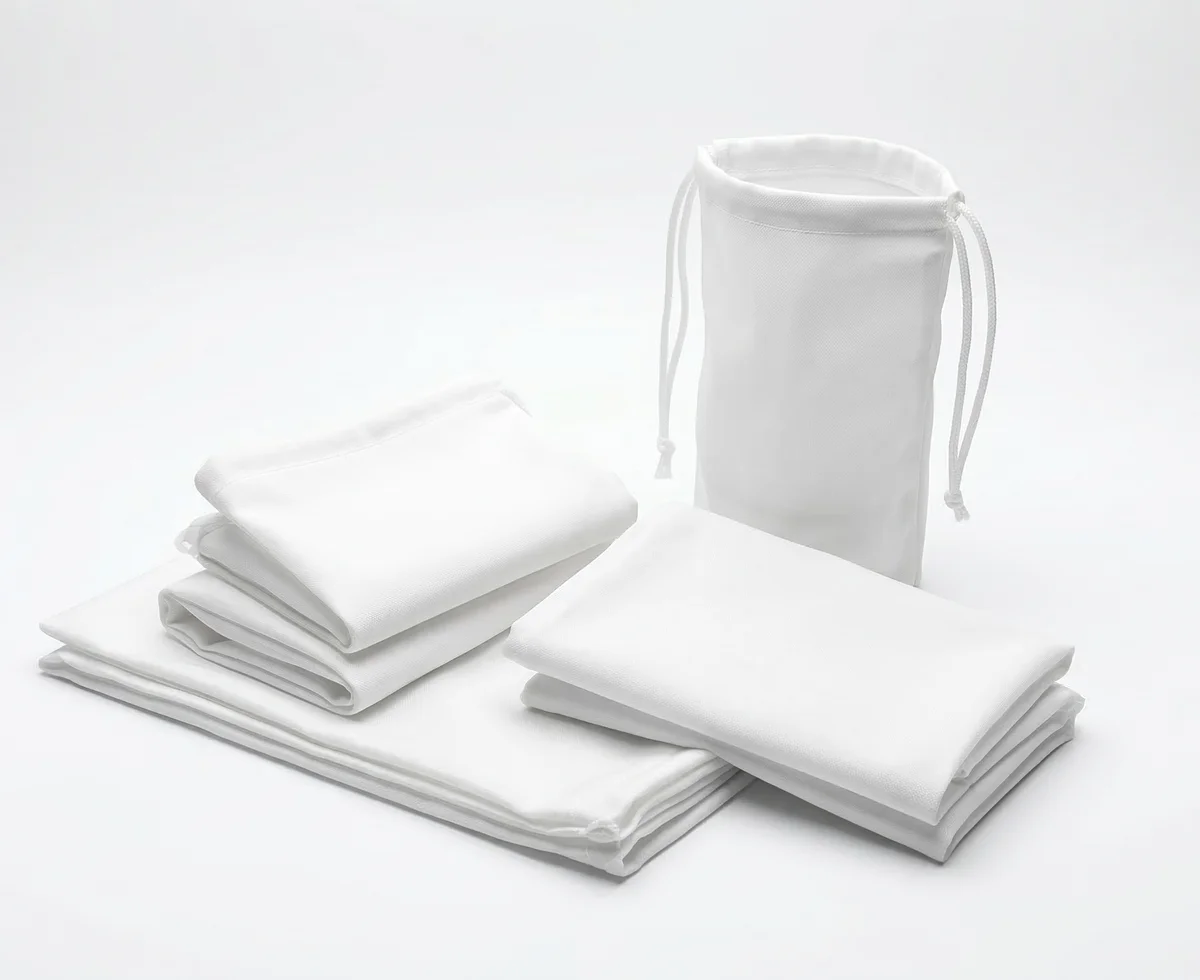
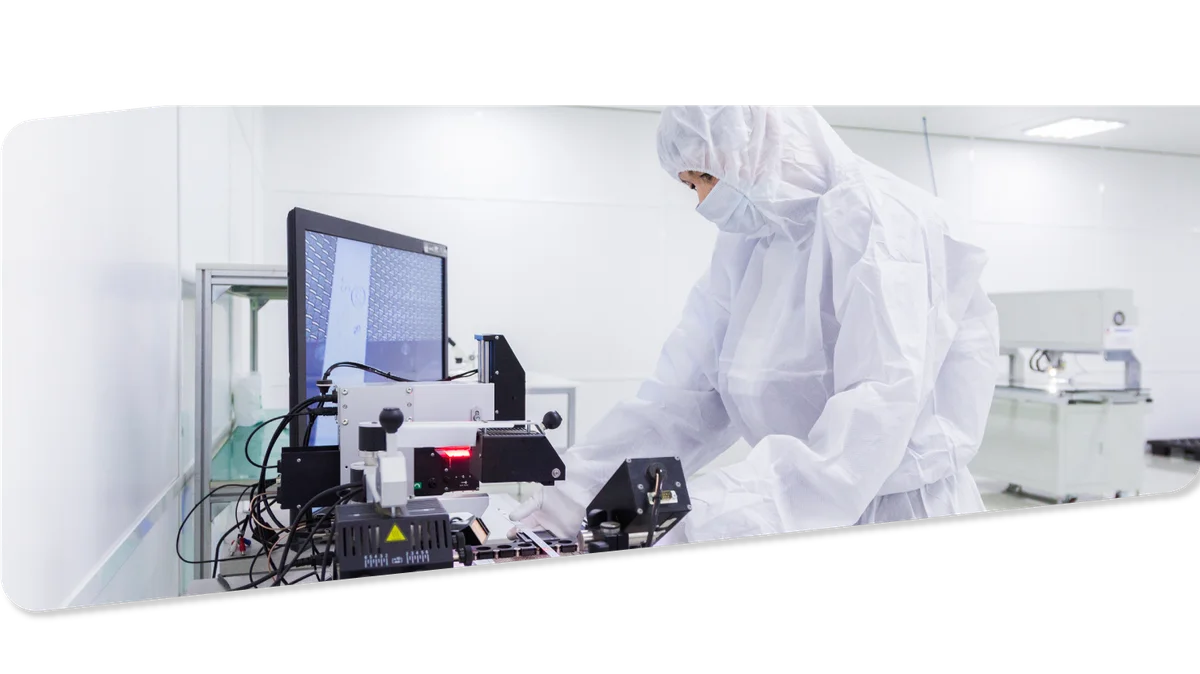
Disposable and capsule filters integrate membrane, housing and fittings into a one-piece sealed device — eliminating the disassembly, cleaning and cross-contamination risks of traditional cartridge-plus-housing setups. They are particularly suited to small-batch, high-purity, and single-use applications. JIUNYUAN capsule filters are offered in PES, PTFE, PVDF, Nylon66, Glass Fiber and PP media with retentions from 0.1μm to 5μm.
Compared with traditional reusable cartridge systems, capsule filters offer four advantages: no cleaning SOP overhead, fully enclosed design preventing product exposure, pre-sterilization (gamma irradiation or autoclave) for aseptic production, and reduced process validation complexity through ready-to-use delivery. Every capsule passes 100% integrity testing (Bubble Point / Forward Flow) at the factory, with full batch documentation available on request.
Typical applications: pharmaceutical pilot batches, biotech R&D and GMP clinical batches, point-of-use filtration of small-volume specialty chemicals in semiconductors, laboratory sample prep, diagnostic reagent clarification, and sterile filtration of cosmetics and essential oils.
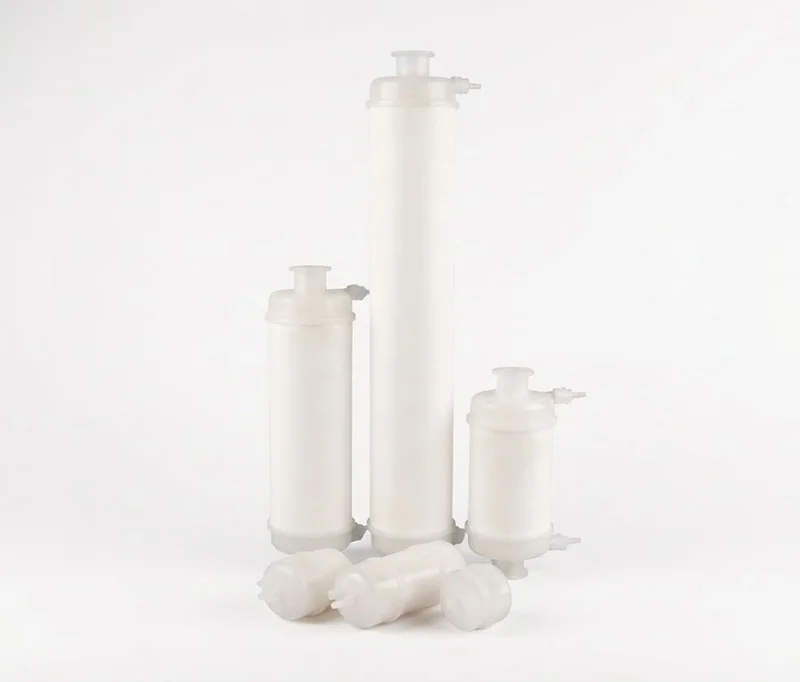
GF Glass Fiber Capsule Filter
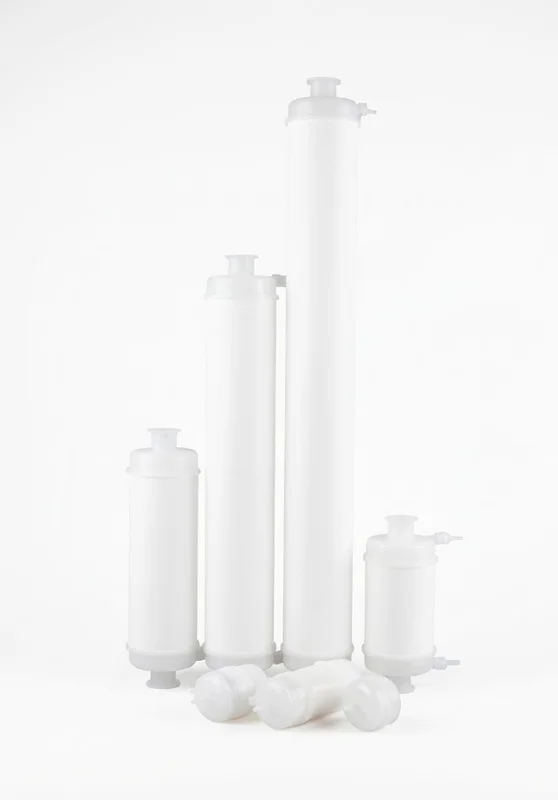
PP Capsule Filter
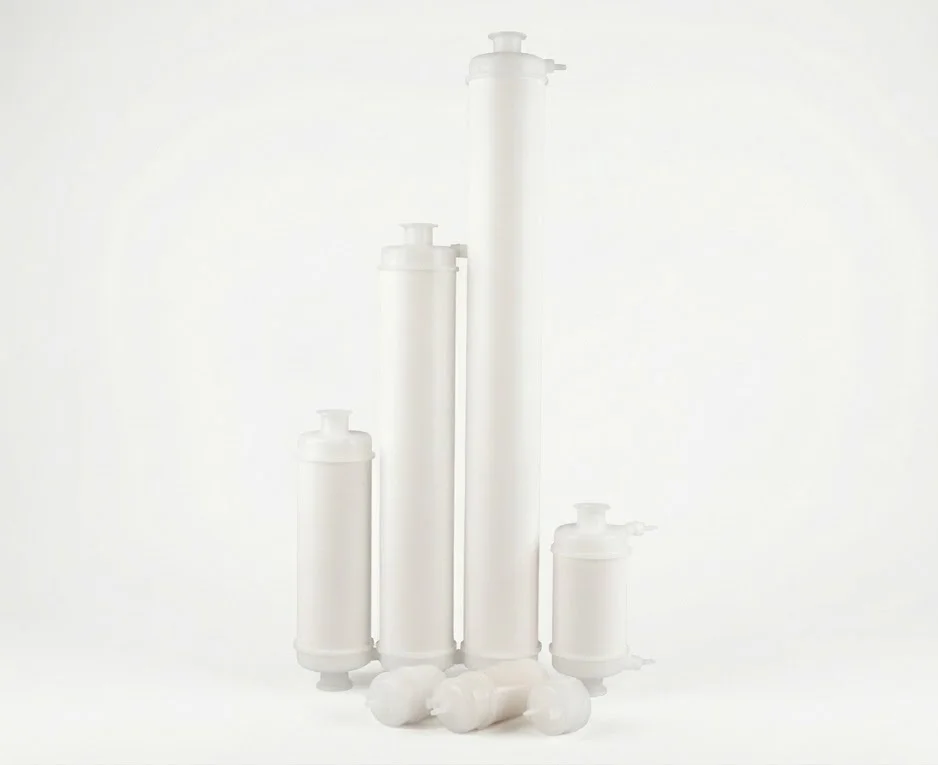
Nylon66 Hydrophilic Capsule Filter
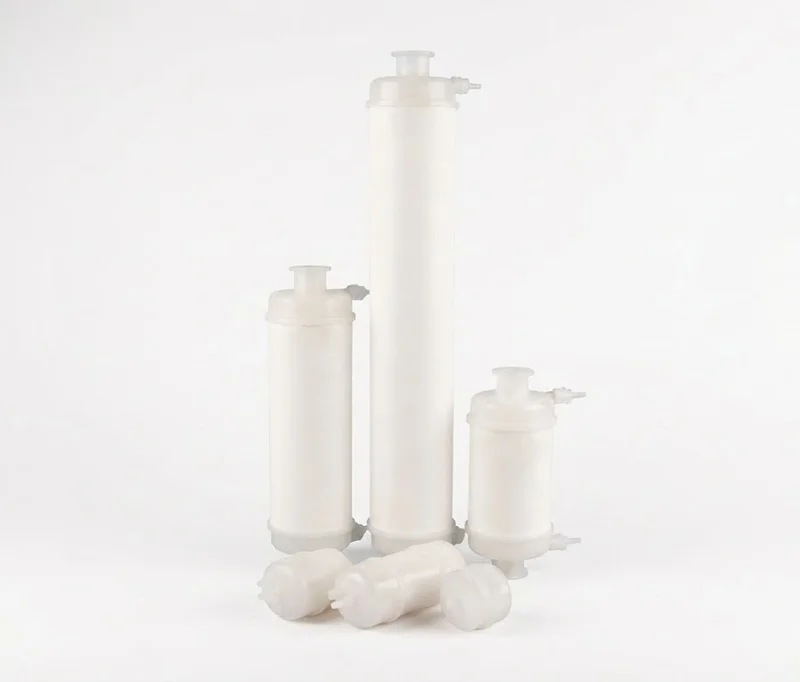
PES Capsule Filter
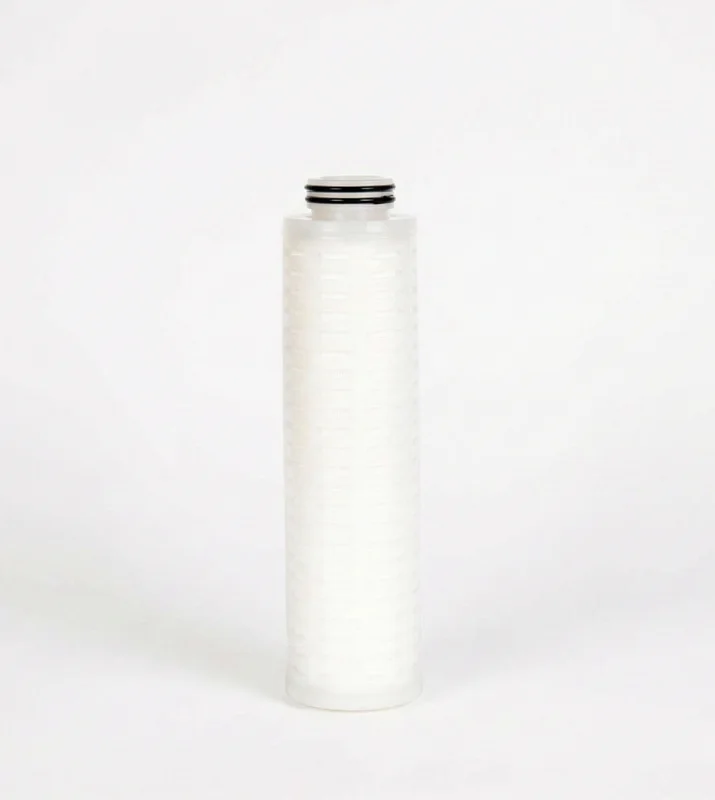
PTFE Capsule Filter
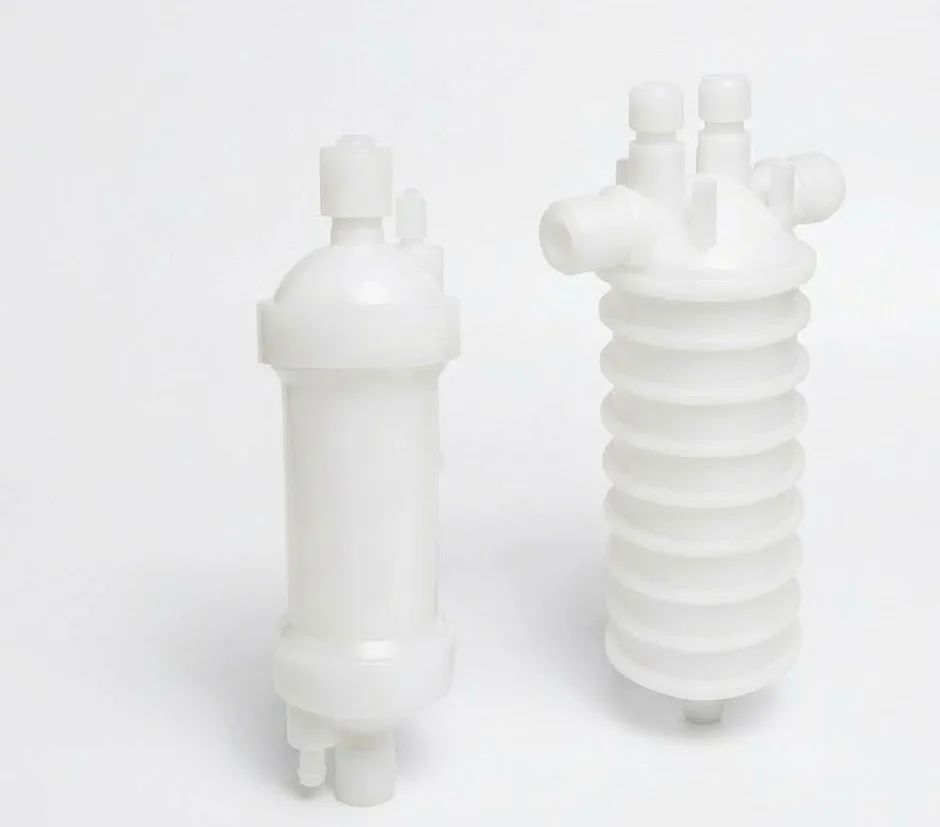
Semi-grade All-PTFE Disposable Capsule Filter
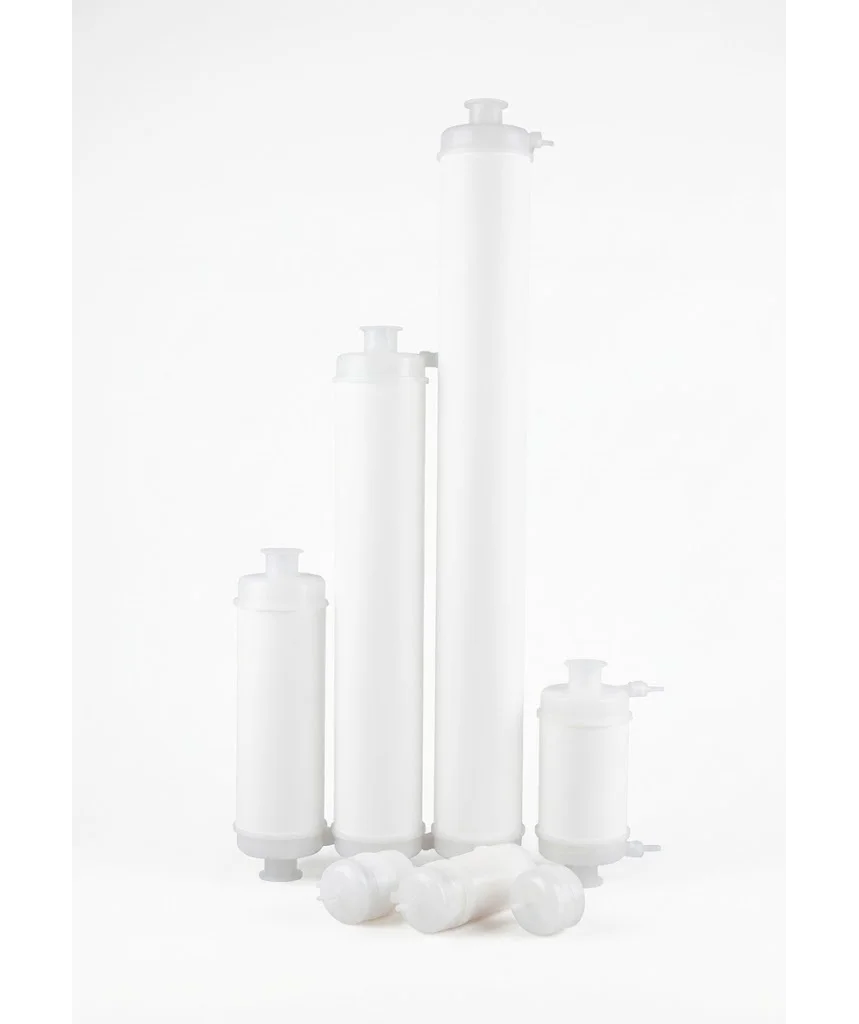
Sterile Hydrophilic PVDF Capsule Filter
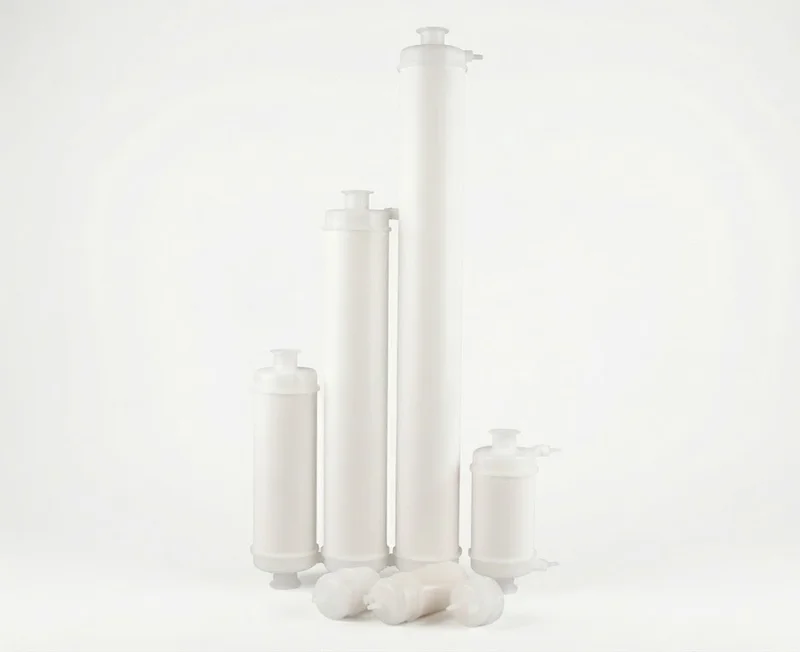
Sterile Positive Charge Nylon66 Capsule Filter
Frequently Asked Questions
When should I use capsule filters vs. traditional cartridge-plus-housing?
Can capsule filters be autoclaved?
Do capsule filters require integrity testing?
Technical Articles in This Category
Understand the principles and how to read the specs before you choose.
Cartridge vs Capsule Filters: Format and Size Selection
The same membrane in cartridge vs capsule format can differ 5× in price. This article covers 10/20/30/40-inch standards, 222/226/DOE end caps, and CIP vs single-use TCO trade-offs.
Liquid Filter Flow Rate Sizing: Meeting Process Demand
Darcy law, viscosity scaling, pressure-drop curves, and a 5-step sizing workflow. Three real cases (pharma 100 LPM, semi 50 LPM, food syrup 200 LPM) walk you through the calculations.
Endotoxin Sources and Removal in Pharmaceutical Water: Key Filter Selection Criteria
Endotoxin (LPS) survives 0.22 µm sterile filtration intact, making it the hardest contaminant to control in pharmaceutical water. This article examines LPS molecular structure and thermal stability, traces endotoxin sources in pharmaceutical water systems — including dead legs, biofilm, and feed water — and systematically compares four removal technologies: ultrafiltration (UF, MWCO 6–30 kDa), charge-modified depth filtration, distillation, and RO+UF in series, with LRV data for each. Includes a filter selection decision tree and LAL/rFC validation workflow to help engineers achieve USP <85> WFI compliance (≤0.25 EU/mL).
Need a Custom Solution?
Custom sizes, materials or validation protocols — we can build the solution around your process.
Request Customization