
Where it fits
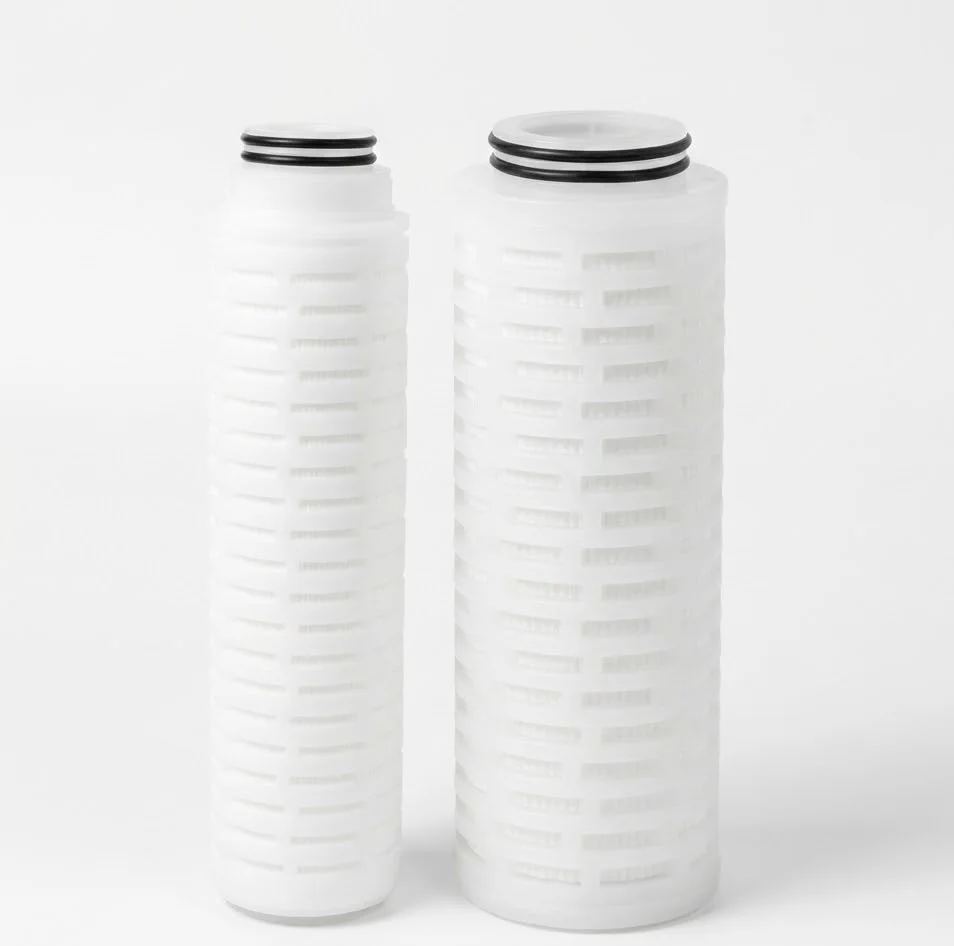
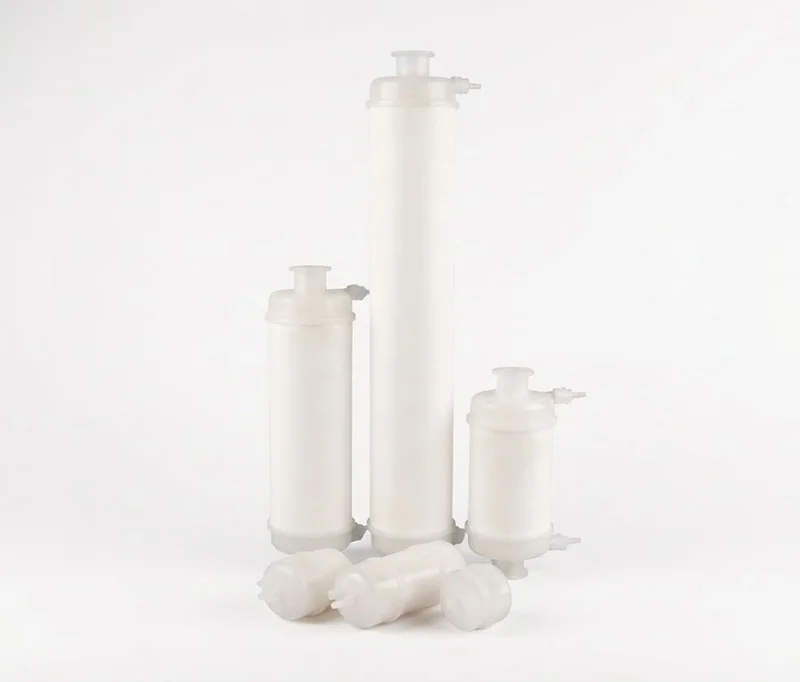
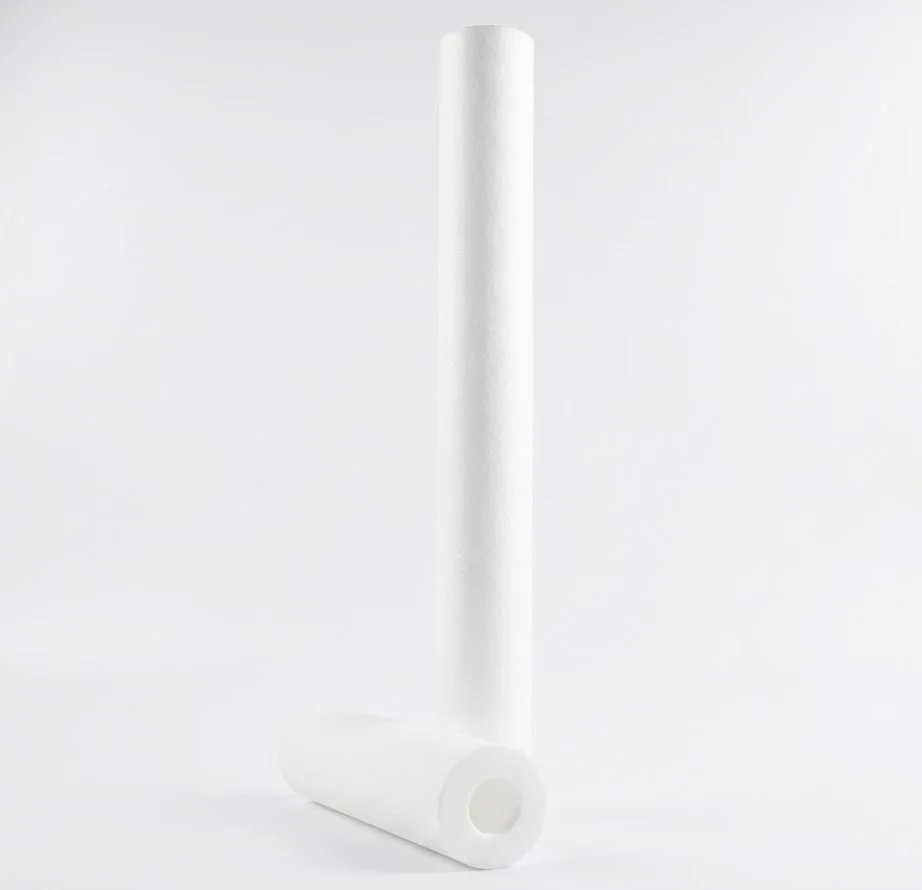
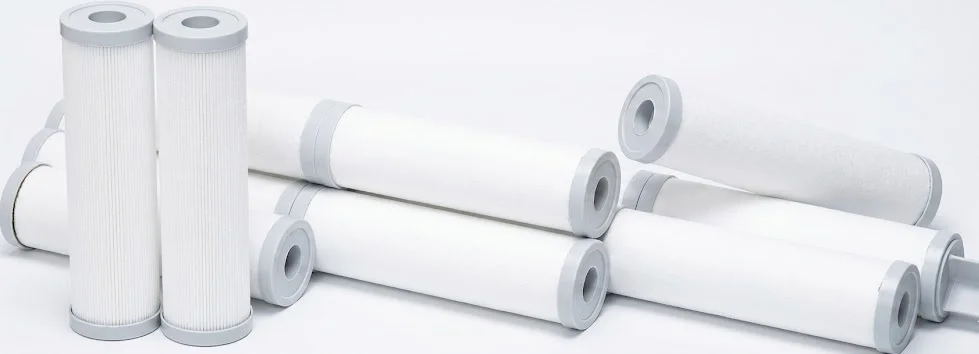
A hollow fibre cartridge is used for fine filtration in purified water polishing, biopharma and beverage production (sake, tea). Its niche is duty where change-out frequency is the constraint — when the bottleneck on a line is not retention but the number of shutdowns to swap elements, the hollow fibre geometry starts to pay.
Key characteristics
Hollow fibre rolls the membrane into individual fine tubes, packing far more membrane area into the same cartridge envelope than pleated flat sheet, which raises both porosity and specific surface area. Service life is typically 2–3 times that of a conventional pleated cartridge — a consequence of the geometry, not of the polymer.
The membrane is polysulfone (PSF / PS), with good heat and chemical resistance and an 80 °C ceiling. The 0.04 – 0.8 µm range is an absolute rating, and the end cap is a single open end 226 flat with gasket.
Choosing between options
Three ways to do fine filtration, differing in construction:
| Construction | Membrane | Rating range | Why choose it |
|---|---|---|---|
| Hollow fibre (this) | Polysulfone PSF / PS | 0.04 – 0.8 µm | Long life, when change-out frequency is the pain point |
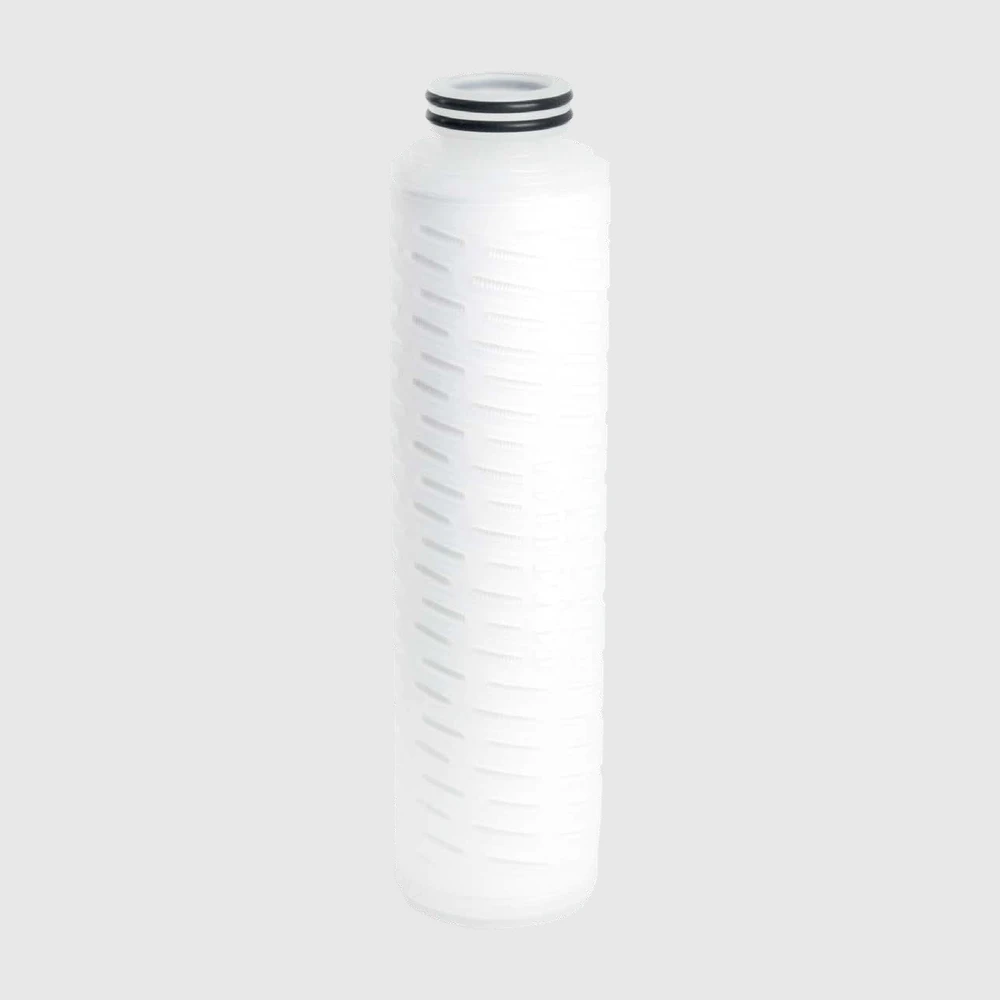
| PS pleated | Asymmetric polysulfone | 0.05 – 1 µm | Low protein binding plus 121 °C steam sterilisation |
| PES pleated | Asymmetric polyethersulfone | 0.05 – 5 µm | Widest choice of ratings and sterilising-grade validation |
Operation & change-out
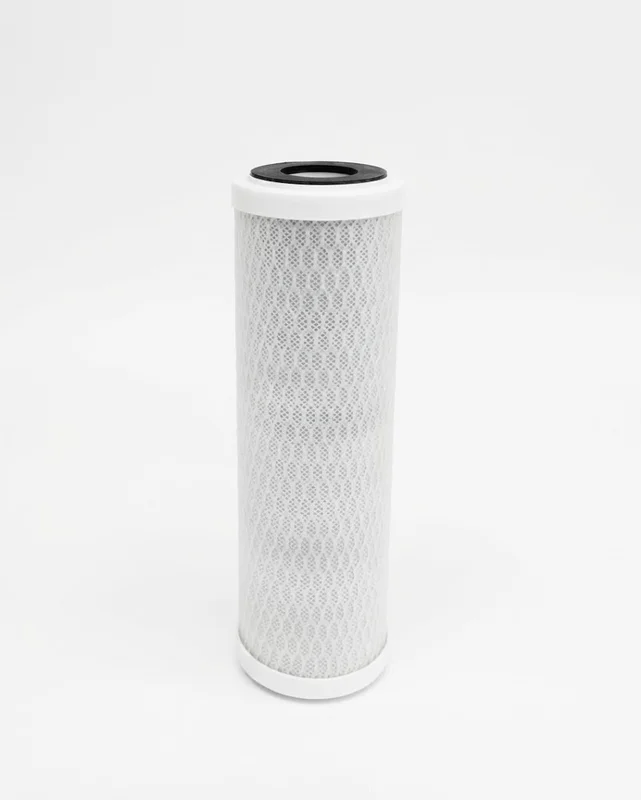
Replace when ΔP rises appreciably or throughput drops off. Hollow fibre channels are narrow, so without adequate pre-filtration the life advantage is eaten by coarse solids — design it in with a depth or pleated pre-filter.