
Home/Products/Disposable & Capsule Filters/Nylon66 Hydrophilic Capsule Filter
Nylon66 Hydrophilic Capsule Filter

Nylon66 Hydrophilic Capsule Filter

Product ID: nylon-66-hydrophilic-capsule-filter|Nylon66

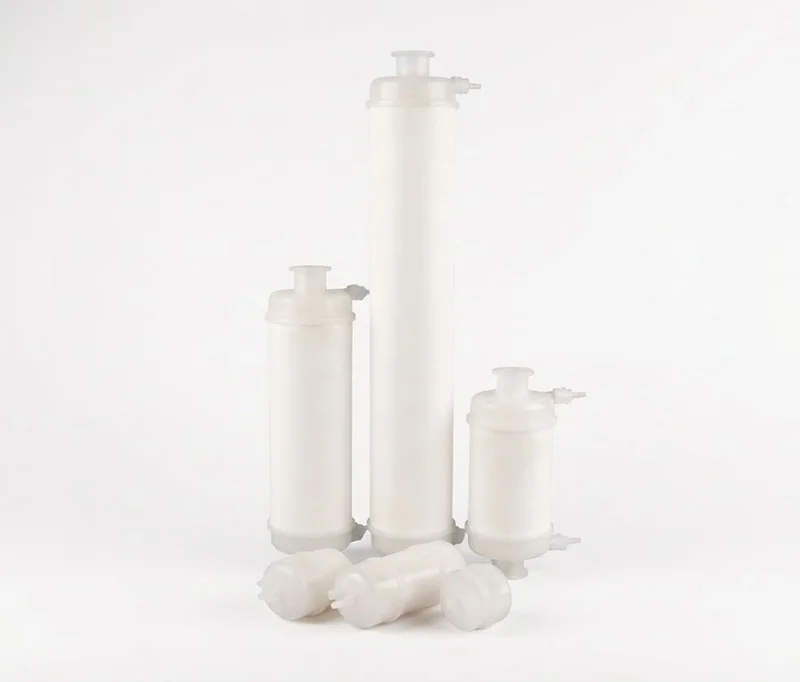
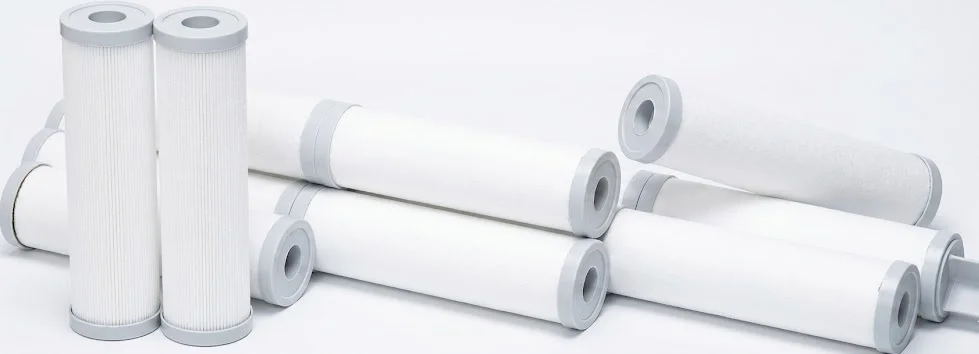
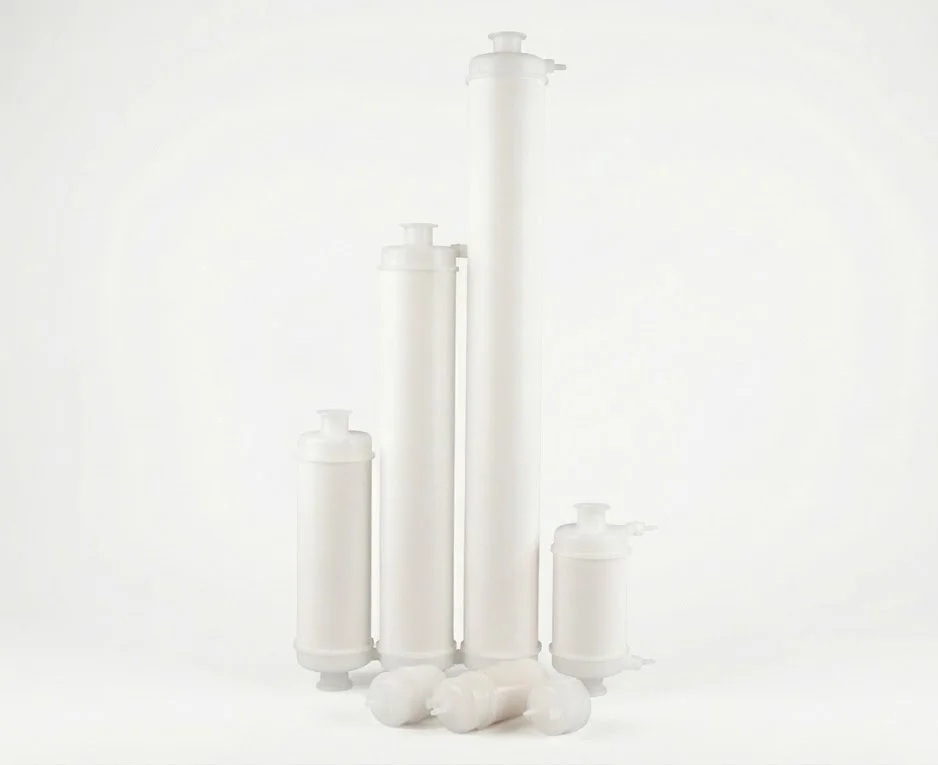
Hydrophilic nylon (Nylon 66) capsule filter designed for harsh chemical environments and aseptic processes. It has natural hydrophilic properties and can filter aqueous solutions without pre-wetting. It has excellent mechanical strength and resistance to organic solvents and has been proven to retain bacteria. It is an ideal choice for final filtration of sterile APIs, antibiotics and LVP/SVP.

  • Naturally hydrophilic, no pre-wetting needed
  • Excellent mechanical strength
  • Strong organic-solvent resistance
  • Bacteria-retention validated
  • Single-use capsule, no cross-contamination
Micron rating
0.1, 0.2, 0.45, 0.65, 1.2 µm
Max operating temperature
Continuous service to 60 °C
Effective filtration area
About 0.7 m² per 10" media section
Max forward differential pressure
Forward 4.0 bar (58 psi) @ 25 °C
Sterile API final filtration
Antibiotic filtration
LVP/SVP injectable filtration
Organic solvent filtration
Aqueous solution sterile filtration
Filter media / membrane
Naturally hydrophilic Nylon 66 membrane — it wets without a surface treatment, so there is no wetting agent to leach away over time. Mechanically strong, solvent-tolerant and very low in organic extractables
Support & drainage layers
Polypropylene support and drainage layers
Body material
One-piece polypropylene shell and end caps, thermally welded throughout with no adhesives; no metal parts in the wetted path
Seals / O-rings
The body is thermally welded and has no main O-ring; port gaskets in silicone or EPDM, with FKM available for aggressive fluids
Micron rating
0.1, 0.2, 0.45, 0.65, 1.2 µm; 0.2 µm is the sterilising grade
Effective filtration area
About 0.7 m² per 10" media section; small capsules run about 0.02–0.2 m²
Inlet / outlet connections
Inlet/outlet 1/4"–1-1/2" with hose barb, sanitary tri-clamp, threaded and quick-connect options; the connections are moulded into the same polypropylene body
Hold-up volume
Small (≈0.02 m²) ≈30 mL; mid (≈0.1 m²) ≈90 mL; 10" class (≈0.7 m²) ≈250 mL. Most of the hold-up is recoverable by blowing down through the open drain
Vent & drain
One polypropylene vent valve on top and one drain valve underneath, both hand-operated; the vent can take a hydrophobic membrane cap to keep the sterile boundary intact
Max operating temperature
Continuous service to 60 °C; withstands 121 °C saturated steam for sterilisation cycles
Max forward differential pressure
Forward 4.0 bar (58 psi) @ 25 °C; 1.0 bar (15 psi) @ 60 °C; reverse 2.0 bar (29 psi) @ 25 °C
Recommended change-out ΔP
A single-use capsule cannot be backwashed or regenerated. Change out when ΔP reaches 3–5× the clean initial value or 2.0 bar (29 psi), whichever comes first
Sterilisation
Autoclave at 121 °C for 30 min, up to 3 cumulative cycles recommended; steam-in-place, EtO and gamma sterilisation are also available
Wetting & flushing
Naturally hydrophilic, so aqueous feeds go straight on line with no pre-wetting; when switching to a solvent feed, displace stepwise with that solvent so no interface residue is left. Nylon 66 does not tolerate strong acids — check the pH window for acidic feeds
Extractables & cleanliness
Flushed with purified water to conductivity and TOC limits before shipment; extractables, endotoxin (< 0.25 EU/mL) and TOC batch data available on request
Integrity test
100% integrity tested before shipment; a water-wet 0.2 µm membrane typically bubbles at ≥ 3.4 bar (50 psi) and can be validated for bacterial retention at LRV ≥ 7
Packaging
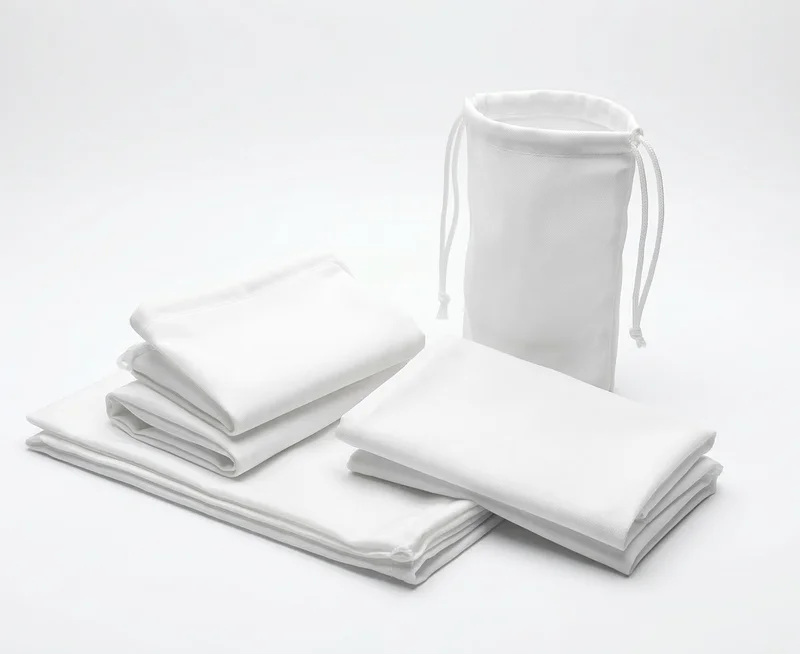
Individually double-bagged, assembled and sealed in a cleanroom; gamma pre-sterilised units available
Regulatory & validation
Wetted materials meet USP Class VI biological reactivity and 21 CFR 177 food-contact requirements; material certificates and batch test reports can be supplied with the shipment

Note: actual compatibility and service life depend on chemical concentration, temperature, flow, differential pressure, upstream contamination load and housing design. Validate under your real process conditions.

Values shown are typical for this product class; actual supply specification follows the quotation and sample datasheet.

Example part number
JY
-BP45K
-L
-P20
-TCSG
JY
JIUNYUAN Technology
BP45K
Naturally hydrophilic Nylon 66 membrane — wets without a surface treatment, so no wetting agent leaches away; suffix K = kapsule
L
10" 濾材段(約 0.7 m²)
P20
0.2 µm
TCSG
Tri-clamp | silicone gasket | gamma pre-sterilised
Selectable options by segment
01

Capsule size (effective area)

CodeSpecification
SSmall (≈0.02 m² area, ≈30 mL hold-up)
MMid (≈0.1 m² area, ≈90 mL hold-up)
L10" media section (≈ 0.7 m² area, ≈250 mL hold-up)
02

Retention rating

CodeSpecification
P100.1 µm
P200.2 µm
P450.45 µm
P650.65 µm
P1201.2 µm

0.2 µm is the sterilising grade and can be validated for bacterial retention at LRV ≥ 7. Nylon 66 does not tolerate strong acids — check the pH window for acidic feeds.

03

Inlet / outlet style

CodeSpecification
HBHose barb
TCSanitary tri-clamp
THThreaded
QCQuick connect

Ports run 1/4"–1-1/2"; specify the bore at order (the available range depends on the capsule size). Connections are moulded into the polypropylene body, so the wetted path carries no metal parts.

04

Port gasket material

CodeSpecification
SSilicone
EEPDM
FFKM / Viton

The body is thermally welded and has no main O-ring — this segment is the port gasket. FKM is only needed for aggressive fluids.

05

Supply condition

CodeSpecification
NStandard double cleanroom bag, non-sterile
GGamma pre-sterilised

Not every combination is a stock item; uncommon combinations are made to order. Confirm with JIUNYUAN sales before ordering.

ChemicalNylon 66PP矽膠 Silicone
— 酸 —
Glacial acetic acidNRRLR
Hydrochloric acid, conc.NRRNR
Hydrochloric acid, 6NNRRNR
Nitric acid, conc.NRRNR
Nitric acid, 6NNRRLR
Phosphoric acid, conc.NRRNR
Sulfuric acid, conc.NRRNR
Hydrofluoric acid, 6NNRNRNR
— 鹼 —
Ammonium hydroxide, 1NRRR
Ammonium hydroxide, 3NRRR
Potassium hydroxide, 3NRRLR
Sodium hydroxide, 3NRRR
Sodium hydroxide, 6NRRR
— 醇類 —
Amyl alcoholRRNR
Benzyl alcoholRRLR
ButanolRRR
Isopropyl alcohol (IPA)RRR
MethanolLRRR
— 酮類 —
AcetoneRRNR
CyclohexanoneRNR
Methyl ethyl ketone (MEK)LRRNR
Methyl isobutyl ketone (MIBK)LRRNR
— 油類 —
Cottonseed oilRRR
Lubricating oilRRR
Peanut oilRRR
Sesame oilRRR
— 芳香烴 —
BenzeneLRNRNR
TolueneNRNRNR
XyleneLRNRNR
— 鹵代烴 —
Carbon tetrachlorideLRLRNR
ChloroformLRLRNR
Ethylene dichlorideLRLRNR
Freon TFRLRNR
Freon TMCLRLRNR
DichloromethaneNRLRNR
PerchloroethyleneLRNR
TrichloroethyleneLRLRNR
— 二醇類 —
Ethylene glycolRRR
GlycerolRRR
Propylene glycolRRR
— 醚類 —
Diethyl etherNRLRLR
Isopropyl etherRNR
DioxaneRRNR
Tetrahydrofuran (THF)NRLRNR
— 酯類 —
Amyl acetateLRRNR
Butyl acetateLRLRNR
Cellosolve acetateRNR
Ethyl acetateLRLRR
Methyl acetateLRR
Isopropyl acetateRLR
— 其他 —
AnilineLRLRNR
Dimethylformamide (DMF)RRR
Formaldehyde, 37%RRR
GasolineLRLRNR
Hexane (anhydrous)LRNR
KeroseneRNR
PhenolRRNR
PyridineLRLRNR
WaterRRLR
AcetonitrileLRLR
  • R = resistant
  • LR = limited resistance, validate on site
  • NR = not resistant
  • — = no data

Ratings are general material-level guidance, not guarantees. Actual concentration, temperature, exposure time and mechanical stress all affect the outcome — validate with samples under your real process conditions before adoption.

Where it fits

The hydrophilic Nylon 66 capsule handles final filtration of sterile APIs, antibiotics and large- and small-volume parenterals. What makes this duty distinctive is that feeds often alternate between aqueous and solvent systems — an aqueous batch followed by an organic one — so the membrane has to survive both. Nylon 66 is one of the few hydrophilic media that does.

Key characteristics

Nylon 66 is naturally hydrophilic rather than surface-treated, and the difference shows over time: a treated membrane loses its wetting agent gradually through flushing and sterilisation, while a naturally hydrophilic one has nothing to lose and no wetting agent that could turn into an extractable. High mechanical strength and low organic extractables are, in an API process, two sides of the same requirement.

The sterilising grade can be validated for bacterial retention, and the sealed single-use format removes cross-contamination from incomplete cleaning at the root. For small-batch work that changes product frequently, what it saves is cleaning validation time, not just consumable cost.

Choosing between options

Three hydrophilic biopharma capsules, each good at something different:

MembraneRating rangeStrengthWatch out for
Nylon 66 (this)0.1 – 1.2 µmSolvent tolerance, low organic extractables, high mechanical strengthNo tolerance for strong acids — confirm the pH window first
Highly asymmetric PES0.05 – 5 µmVery low non-specific protein binding and high initial fluxWide rating span; confirm whether the grade chosen is the sterilising one
Positively charged Nylon 660.2 – 1.2 µmElectrostatic capture of negatively charged endotoxin and colloidsCapture strength depends on feed ionic strength and pH

Operation & change-out

Naturally hydrophilic, so aqueous feeds go straight on line with no alcohol pre-wetting. When switching to a solvent feed, displace stepwise with that solvent so no water-solvent interface residue is left on the membrane. Cumulative autoclave cycles are limited by the polypropylene shell — keep to the datasheet figure.

!
Nylon 66 does not tolerate strong acids. If the process involves acid cleaning or acidic feeds, confirm the pH window before adoption; where strong acid is unavoidable, the PVDF or PTFE capsule in the same family is the right choice.
Does it need pre-wetting?
No. The filter is naturally hydrophilic and filters aqueous solutions directly, removing the alcohol pre-wetting step needed by hydrophobic membranes.
Is it good for solvents?
Yes. Nylon 66 offers excellent mechanical strength and organic-solvent resistance, making it an ideal choice for sterile API and solvent filtration.
Can it finish injectables?
Yes. The filter is bacteria-retention validated and suits final sterile filtration of sterile API, antibiotics and LVP/SVP parenterals.