
Where it fits
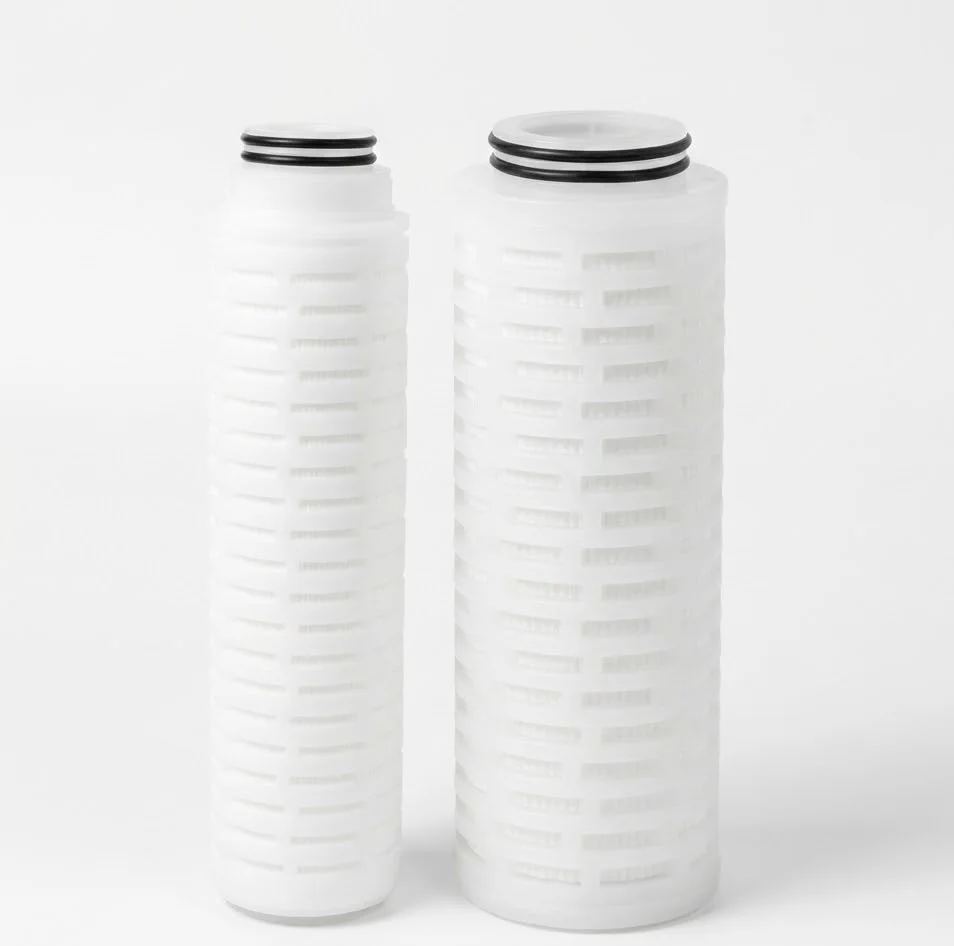
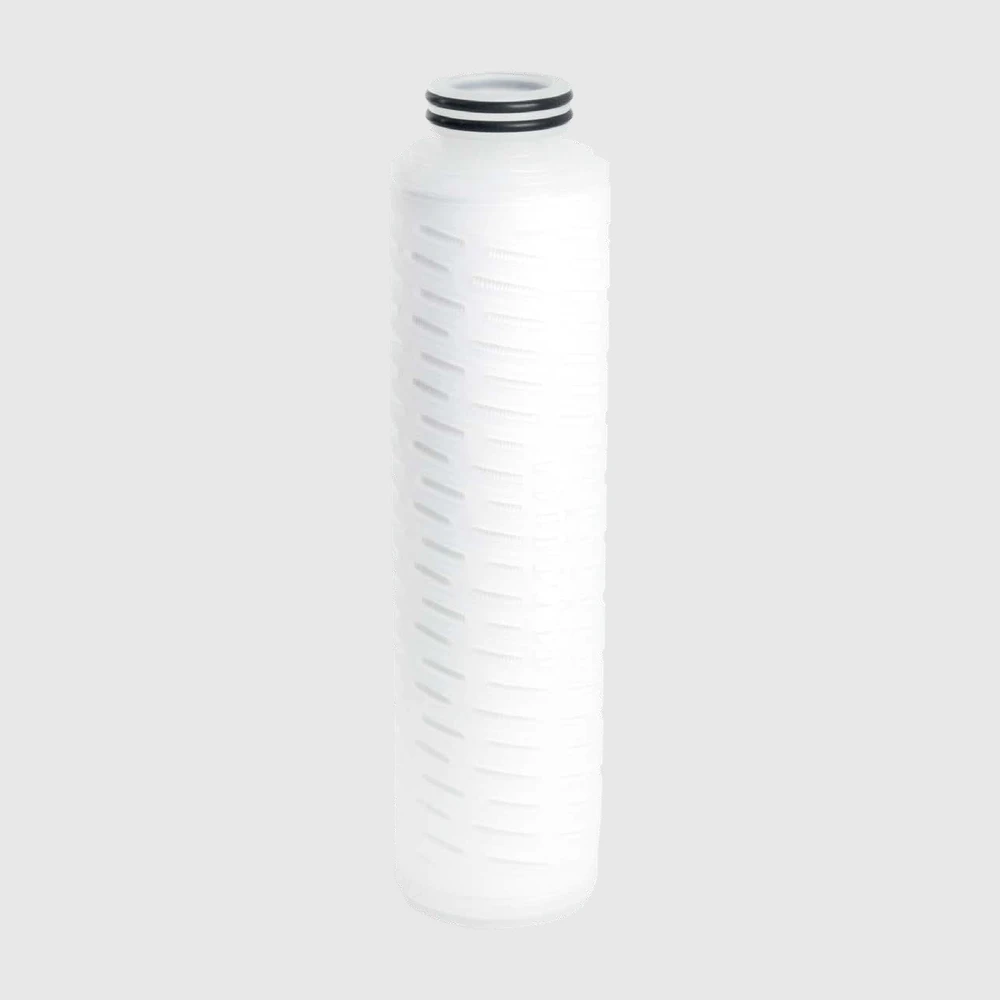
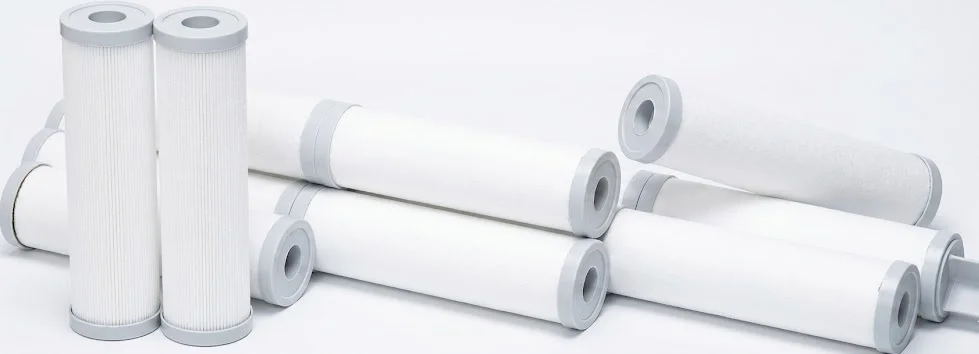
Glass fibre pleated cartridges sit ahead of a final membrane element and exist for difficult fluids: food and beverage, biopharma and chemical clarification streams carrying colloids, lipids and other deformable soft contaminants. Pore size alone will not stop these — they extrude through under differential pressure or smear across the membrane face, consuming a final filter life in one go.
Key characteristics
Resin-bonded glass fibre depth media has very high porosity and a graded pore structure, so soft contaminants are retained progressively through the depth of the media rather than building a cake on the surface. At the same rating, dirt-holding capacity is far above a membrane cartridge — exactly what a pre-filter is for: not absolute retention, but endurance.
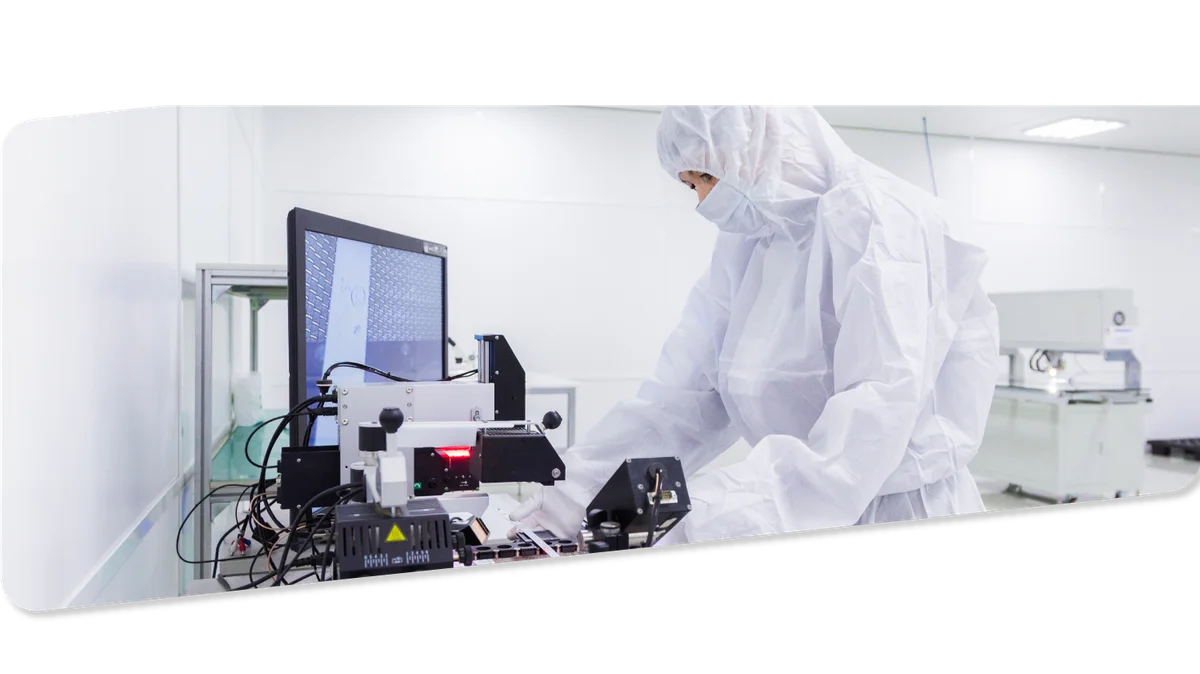
The core is glass-reinforced PP with 304 / 316L stainless options, and the temperature ceiling is 82 °C. Cartridges are cleanroom manufactured and heat-fusion welded with no adhesives and no fibre release.
Choosing between options
Two pre-filters, and the deciding question is whether the contaminant is hard or soft:
| Cartridge | Media | Best at capturing | Rating range |
|---|---|---|---|
| Glass fibre pleated (this) | Resin-bonded glass fibre depth | Colloids, lipids, deformable soft contaminants | 0.2 – 10 µm |
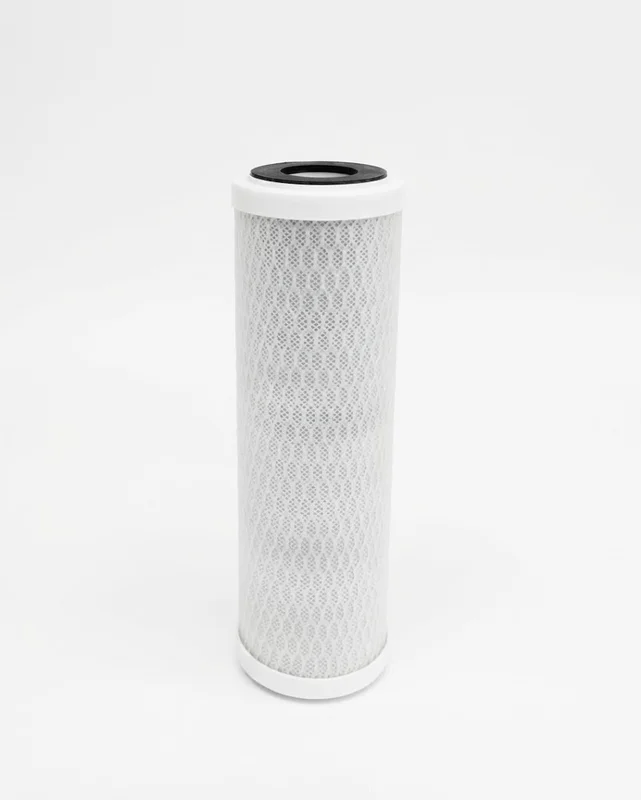
| PP pleated | Graded-pore PP microfibre | General particulate and suspended solids | 0.1 – 10 µm |
Operation & change-out
Flush forward with process liquid until the filtrate runs clear and vent trapped air. Change out when ΔP reaches 3–5 times the clean initial value or 0.24 MPa (35 psi).