
Where it fits
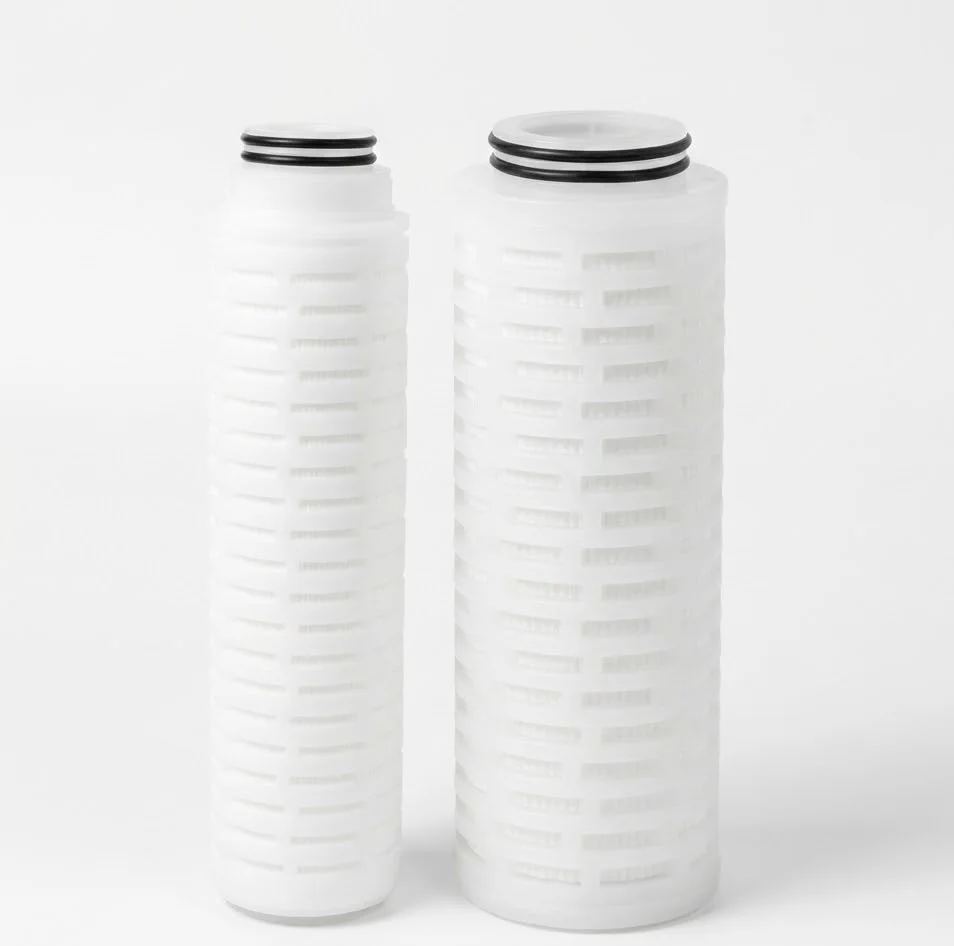
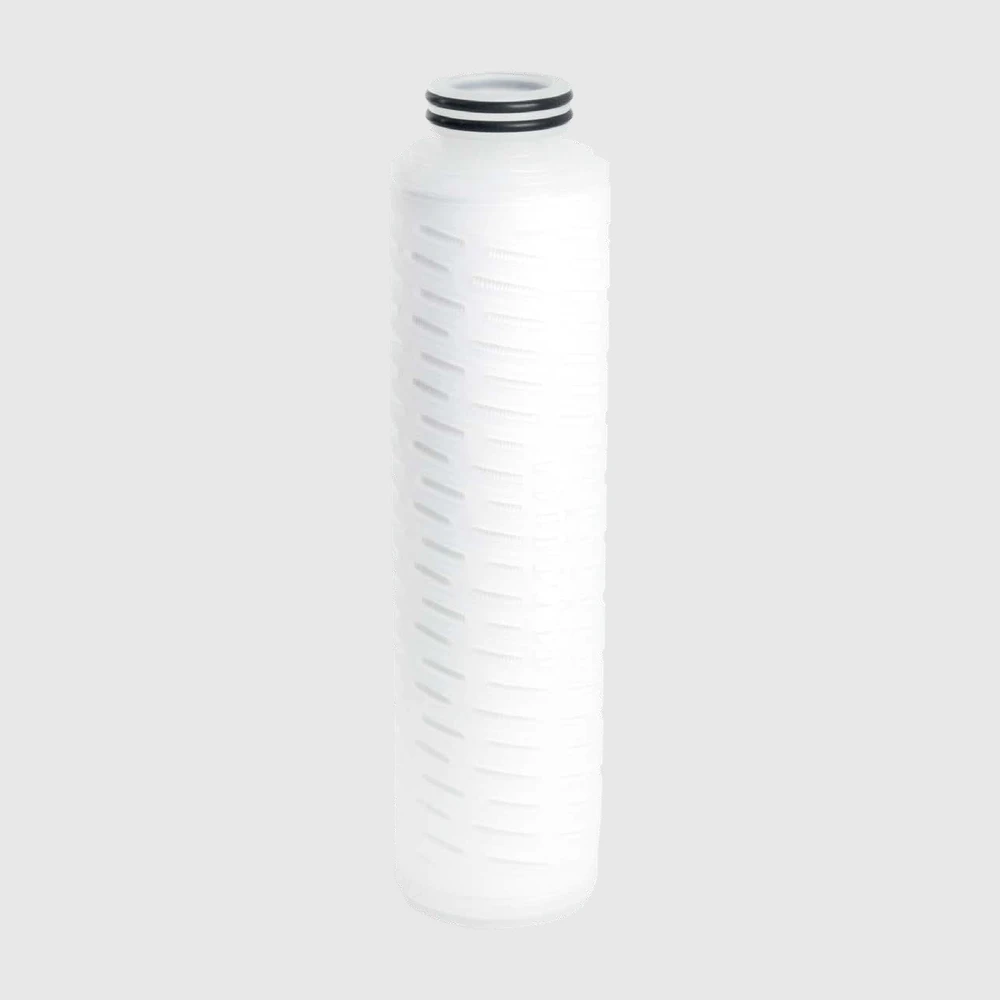
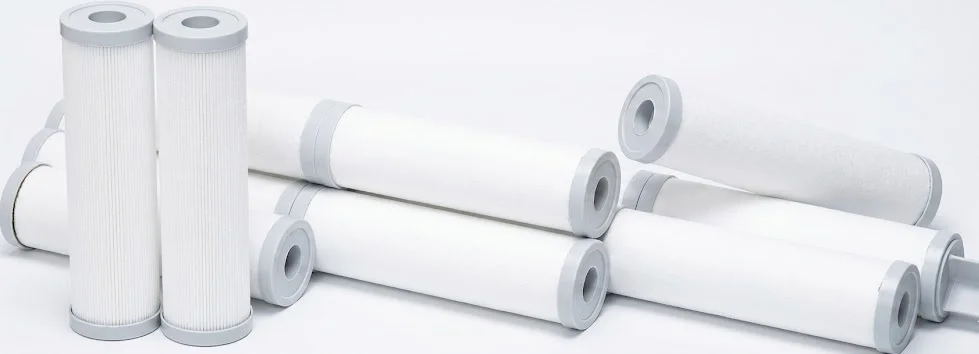
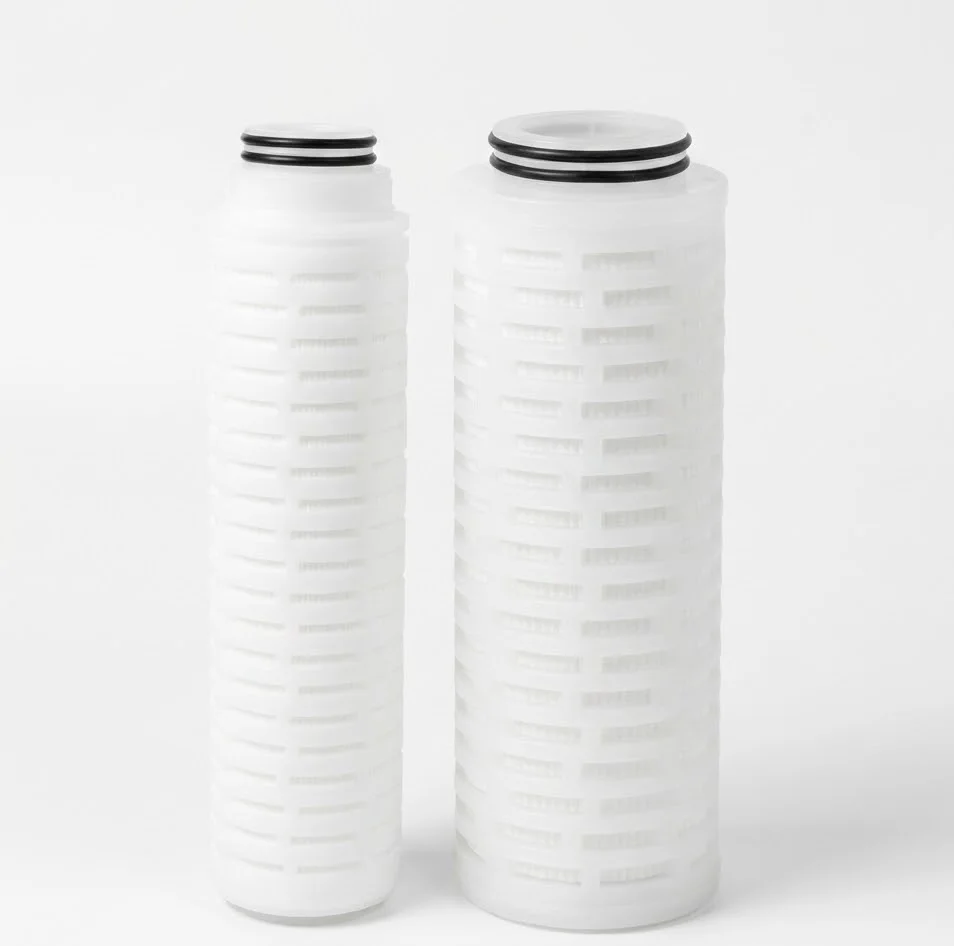
Hydrophobic PTFE pleated cartridges serve two fronts: sterile gas and vent filtration, and aggressive liquid filtration. On the gas side that means process gas sterilisation and biopharma venting; on the liquid side, semiconductor chemistries that would dissolve an ordinary polymer membrane.
Key characteristics
Natural water repellency is the core value in gas service. Gas lines inevitably carry moisture, and once water occupies the pores of a hydrophilic membrane flow collapses, while wetted media can become a place for bacteria to grow. Hydrophobic PTFE is not wetted by condensate and holds retention and flow steady in humid gas over long service.
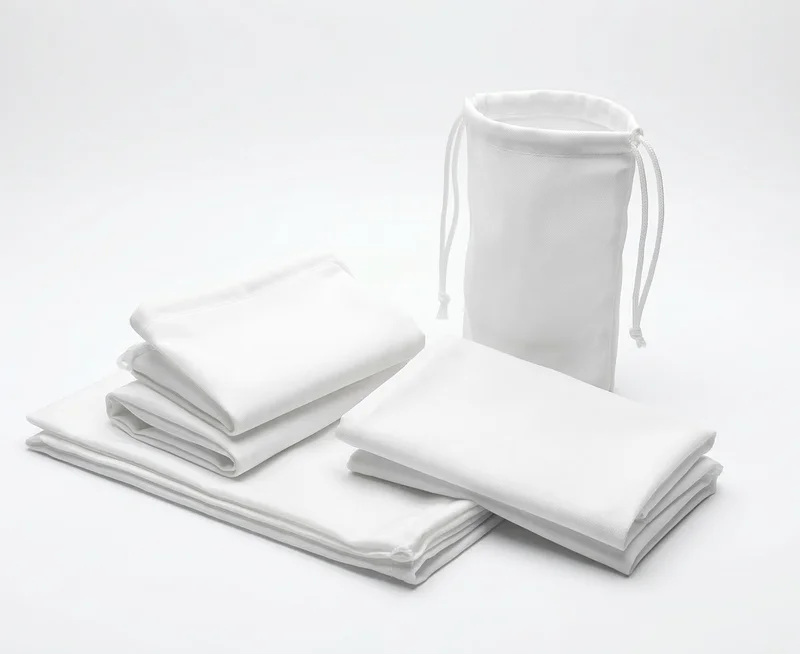
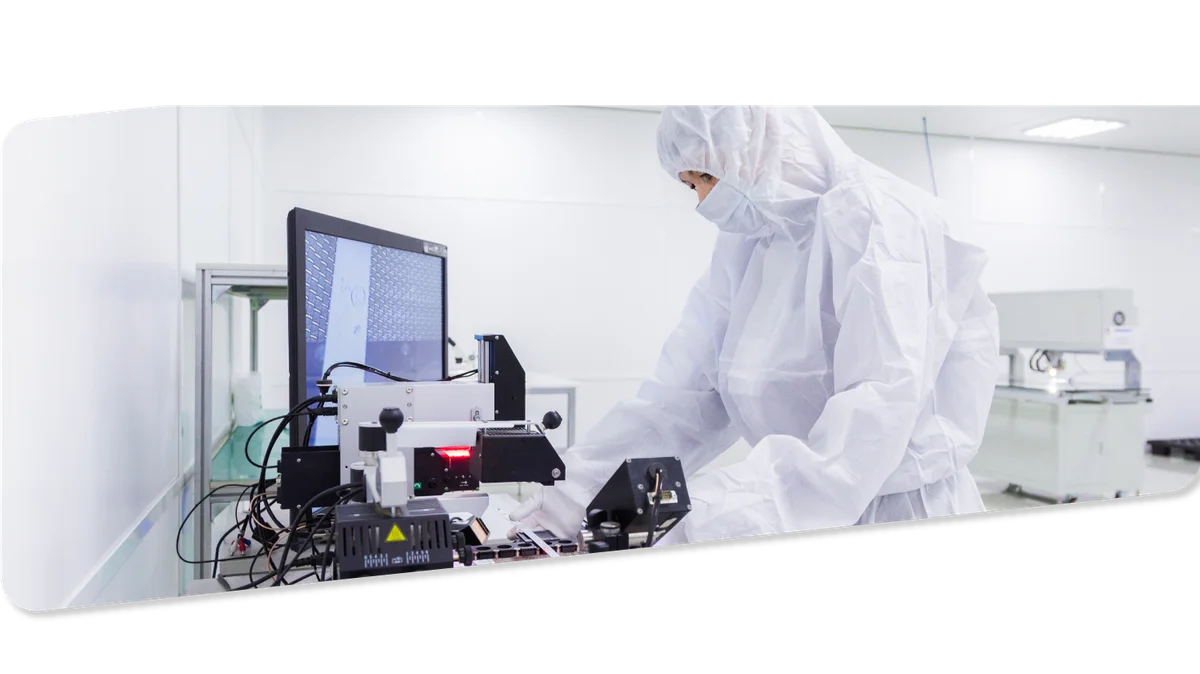
The membrane is biaxially stretched for a uniform pore distribution. It passes USP <87> and <88> and a 1x10^7 CFU/cm2 bacterial challenge, plastic components comply with FDA 21 CFR and RoHS, and cartridges are made in a Class 1,000 / 10,000 cleanroom and dry double-bagged.
Choosing between options
How the three PTFE pleated cartridges divide the work:
| Cartridge | Wettability | Rating range | Primary service |
|---|---|---|---|
| Hydrophobic PTFE pleated (this) | Hydrophobic | 0.05 – 5 µm | Sterile gas and vents, aggressive liquids |
| Sterilising-grade PTFE gas filter | Hydrophobic | 0.001 – 1 µm | Fermenter inlet air, tank vents, autoclave exhaust |
| Hydrophilic PTFE pleated | Hydrophilic treated | 0.05 – 10 µm | Aggressive aqueous solutions |
Operation & change-out
Install dry for gas service. For aqueous fluids, pre-wet with IPA or ethanol and then displace with purified water. Integrity is verifiable by diffusive flow or water intrusion test before and after use. Change out when ΔP reaches 3–5 times the clean initial value or 0.24 MPa (35 psi).