
Where it fits
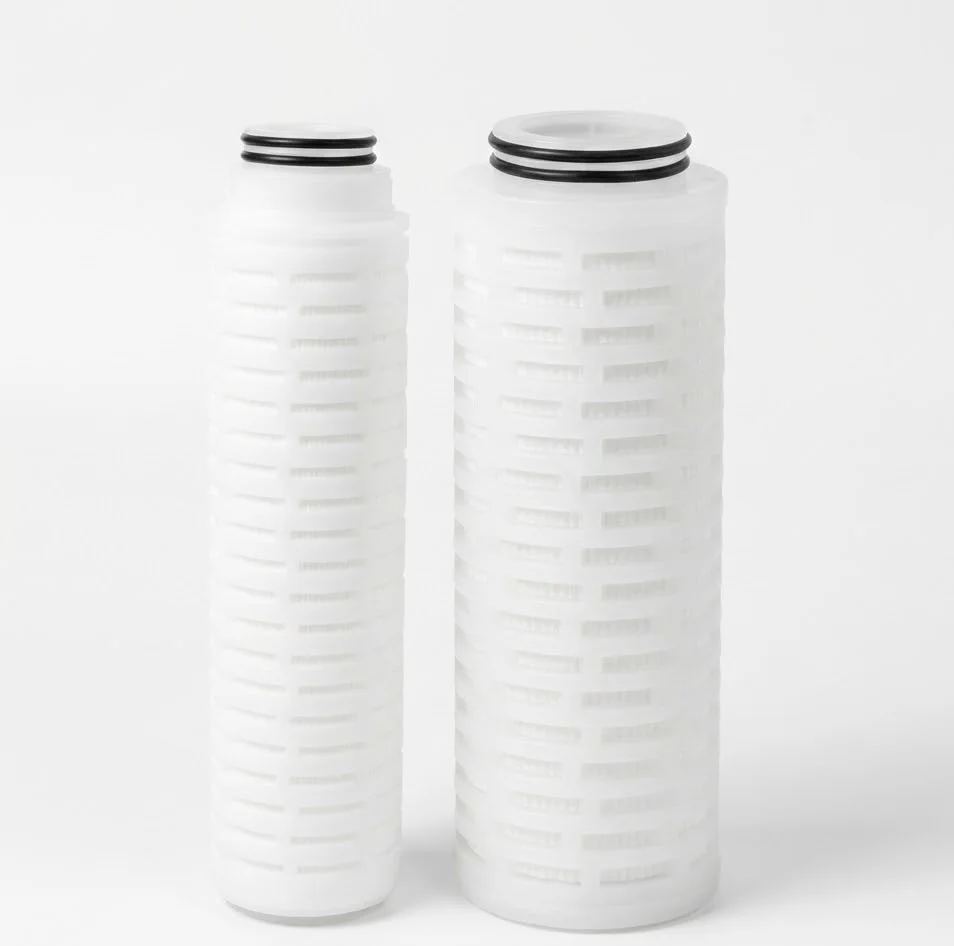
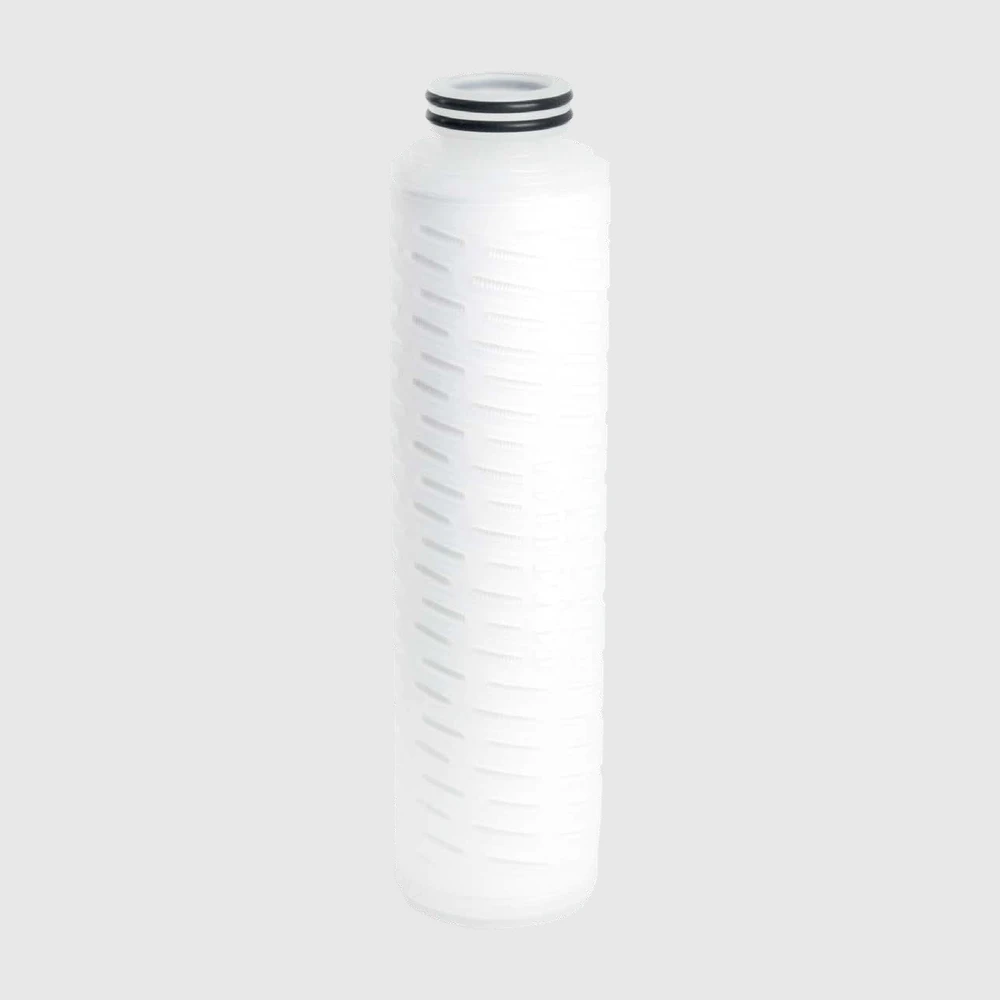
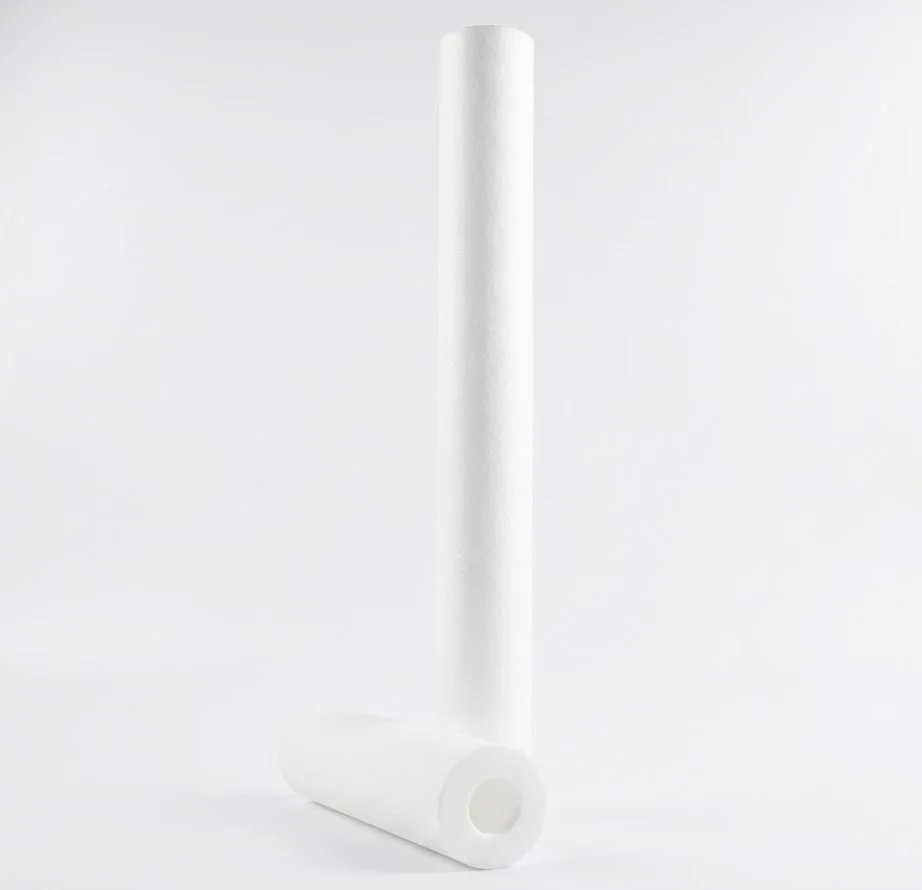
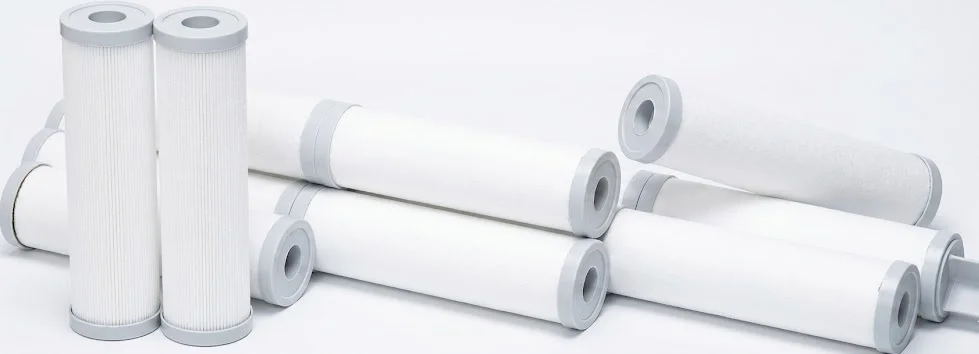
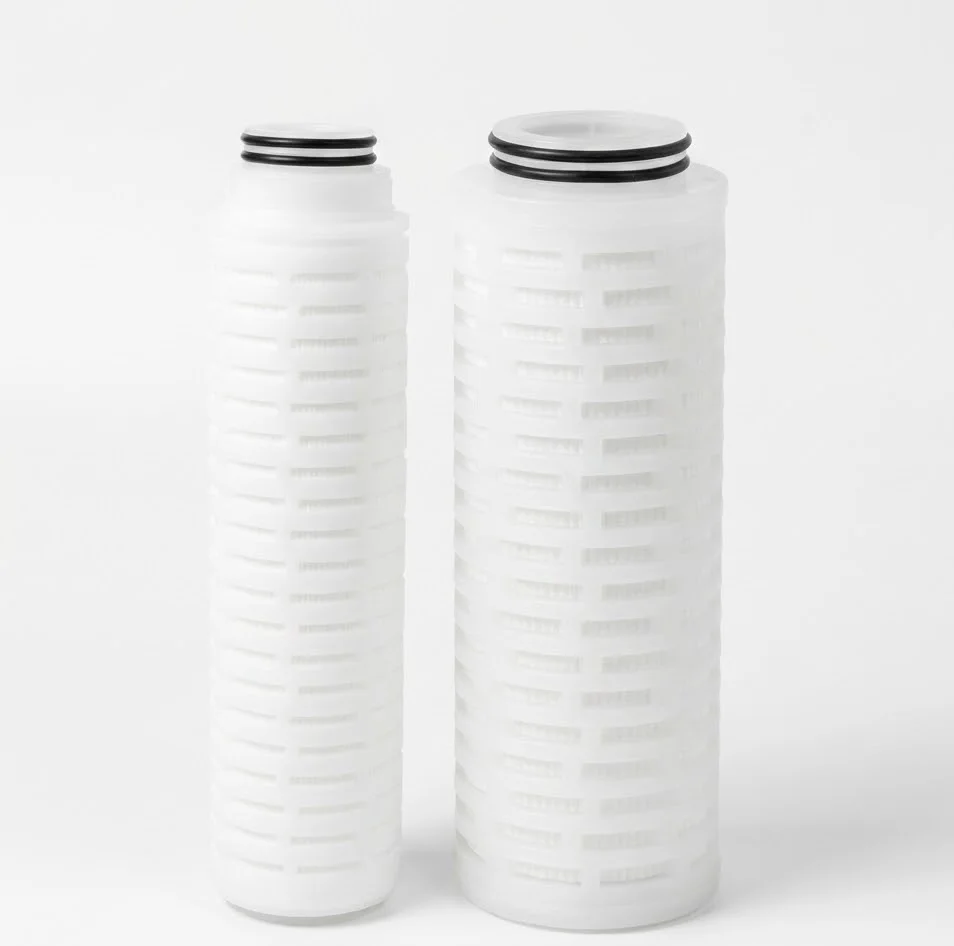
The PP pleated cartridge is the most general-purpose stage in a filtration train: ultrapure water systems, food and beverage, cleaning loops and general industrial process filtration all use it. Its most common role is protecting a downstream sterilising-grade or nanometre membrane element — put the inexpensive consumable in front to take the load, and the expensive final filter lasts far longer.
Key characteristics
The media is multi-layer graded-pore polypropylene microfibre, densifying from outside in and thermally bonded throughout with no binder. The point of a gradient is that different particle sizes come to rest at different depths in the media instead of all piling onto the surface — which is where the 2–4 times service life and dirt-holding capacity over a single-layer pleated cartridge comes from.
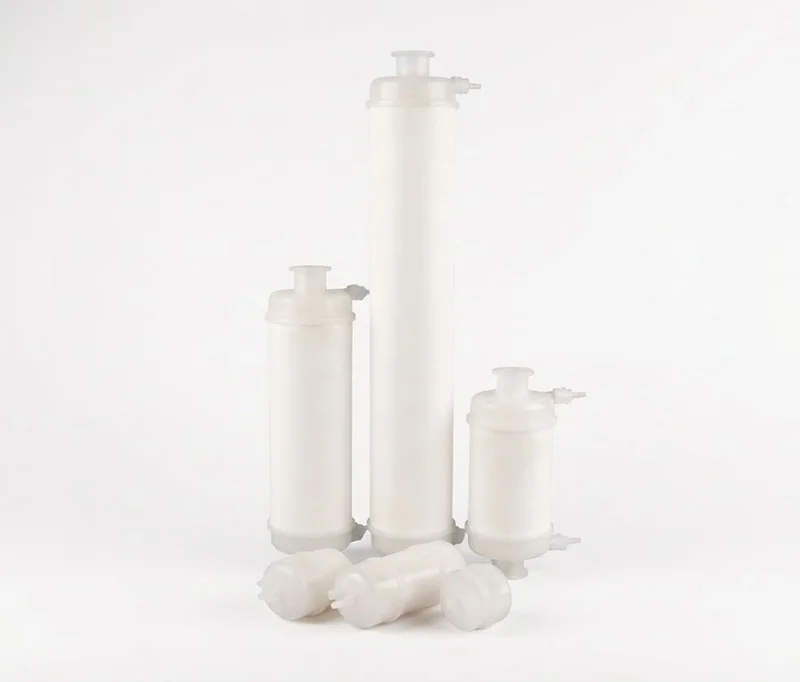
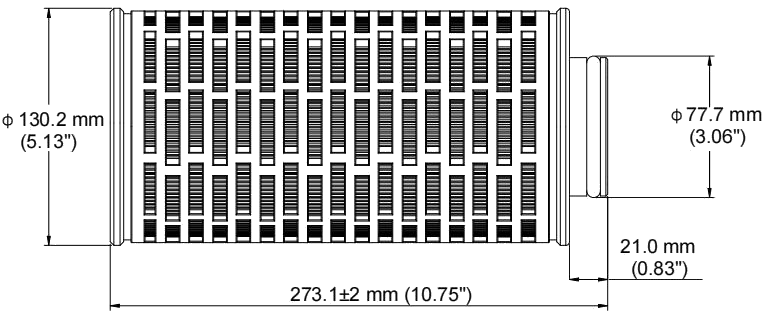
Diameters run from Ø68 up to Ø208, with Ø130 and Ø208 being the high-flow sizes for high-generation display processes, each handling over 300 L/min. Replacing several parallel small cartridges with one large-diameter element shrinks the housing and cuts the number of sealing faces.
Choosing between options
Be clear first about pre-filter versus final filter roles:
| Cartridge | Media | Rating range | Role |
|---|---|---|---|
| PP pleated (this) | Graded-pore PP microfibre | 0.1 – 10 µm | General pre- and process filtration, lowest cost |
| Glass fibre pleated | Resin-bonded glass fibre depth | 0.2 – 10 µm | Dedicated pre-filter for colloids and lipids |
| PES pleated | Asymmetric polyethersulfone membrane | 0.05 – 5 µm | Final sterilising and fine filtration |
Operation & change-out
Naturally hydrophilic, so no alcohol pre-wetting is needed: flush forward with process liquid or purified water and vent trapped air. Change out when ΔP reaches 3–5 times the clean initial value or 0.24 MPa (35 psi), whichever comes first.